构建山地天文台小屋概念简报。
【山地天文台小屋概念简报构建器】构建山地天文台小屋概念简报。
请用简体中文输出结果;保留 JSON/YAML 键名与 ... 占位符。

原提示词:
Act as an architectural concept designer who specializes in small off-grid retreats for amateur astronomers. Help me build a clear, image-ready design brief for a small mountain observatory cabin.

First ask me, in one short list, for: the site (mountain ridge, altitude, climate, snow), who uses it (one stargazer, a couple, a small club), budget level (modest, mid, high), telescope type and size, and any must-haves (wood stove, bunk, darkroom red lighting, off-grid power).

Then produce the brief with these sections:

1. **Concept in One Sentence**: the feeling and purpose of the cabin.
2. **Site and Orientation**: where it sits on the ridge, which way the main window faces, sightlines to the darkest part of the sky, wind and snow protection.
3. **Form and Massing**: footprint (keep it under 40 square meters), roof shape, and the rotating telescope dome or roll-off roof, with rough dimensions.
4. **Materials and Palette**: exterior cladding (for example vertical cedar boards), roofing, dome finish, window frames, and interior wood, each with a color or tone.
5. **Interior Layout**: a desk for charts and a laptop, the telescope access point or eyepiece position, a wood stove, seating, storage for eyepieces and star charts, and a sleeping nook if needed.
6. **Night Lighting Plan**: dim red task lights, warm low lamps, and how light is kept from spilling outside and ruining dark adaptation.
7. **Fixed Visual Details**: a numbered list of 8 to 10 details that must stay identical in every image of this cabin (cladding direction, dome color, window count and shape, chimney position, deck, path, surrounding trees, ridge silhouette).
8. **Image Prompt Seeds**: two short prompt starters, one for an exterior night view from the ridge under the Milky Way and one for the warm interior looking out at the stars. Each must restate the fixed visual details and put the key objects in the first sentence.

Keep it concise, practical, and buildable. Avoid naming real architects or brands. Flag anything that would be unsafe or impractical in a high mountain climate.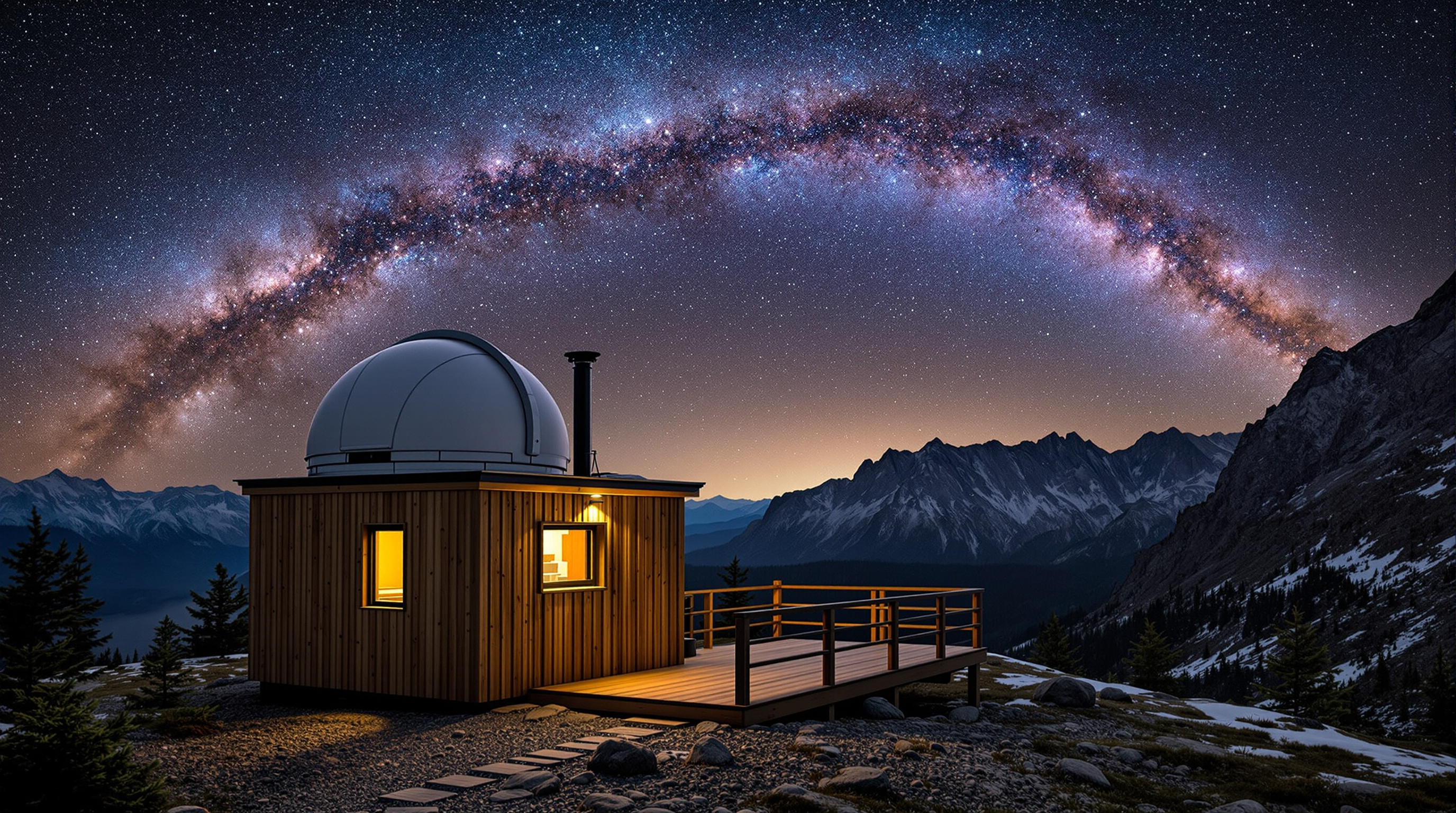
超写实长曝光夜景:紧凑竖雪松小屋配白望远镜穹顶与钢烟管立于岩质山脊,一扇暖琥珀窗、小甲板、石镶小径、矮松与陈雪,生动银核下。山地天文台小屋工作流步骤 2。
小雪松小屋屋顶白色旋转望远镜穹顶,坐落岩质山脊,生动银河拱过夜空。小屋紧凑单层盒,竖暖棕雪松板覆面,低深金属棚顶,左端哑光白半球穹顶窄缝半开可见内部镜筒,右端黑钢烟管细烟缕。正面一宽矩形窗发暗暖琥珀光,小木甲板简单栏杆面向山谷。窄砾石小径平石镶边通向甲板。散落矮松与陈雪斑块环绕小屋,锯齿脊线剪影淡入远峰深谷。数千锐星,明亮银核柔紫与金。超写实长曝光天文摄影,广角 16:9,低机位,无光污染,无人,无文字。
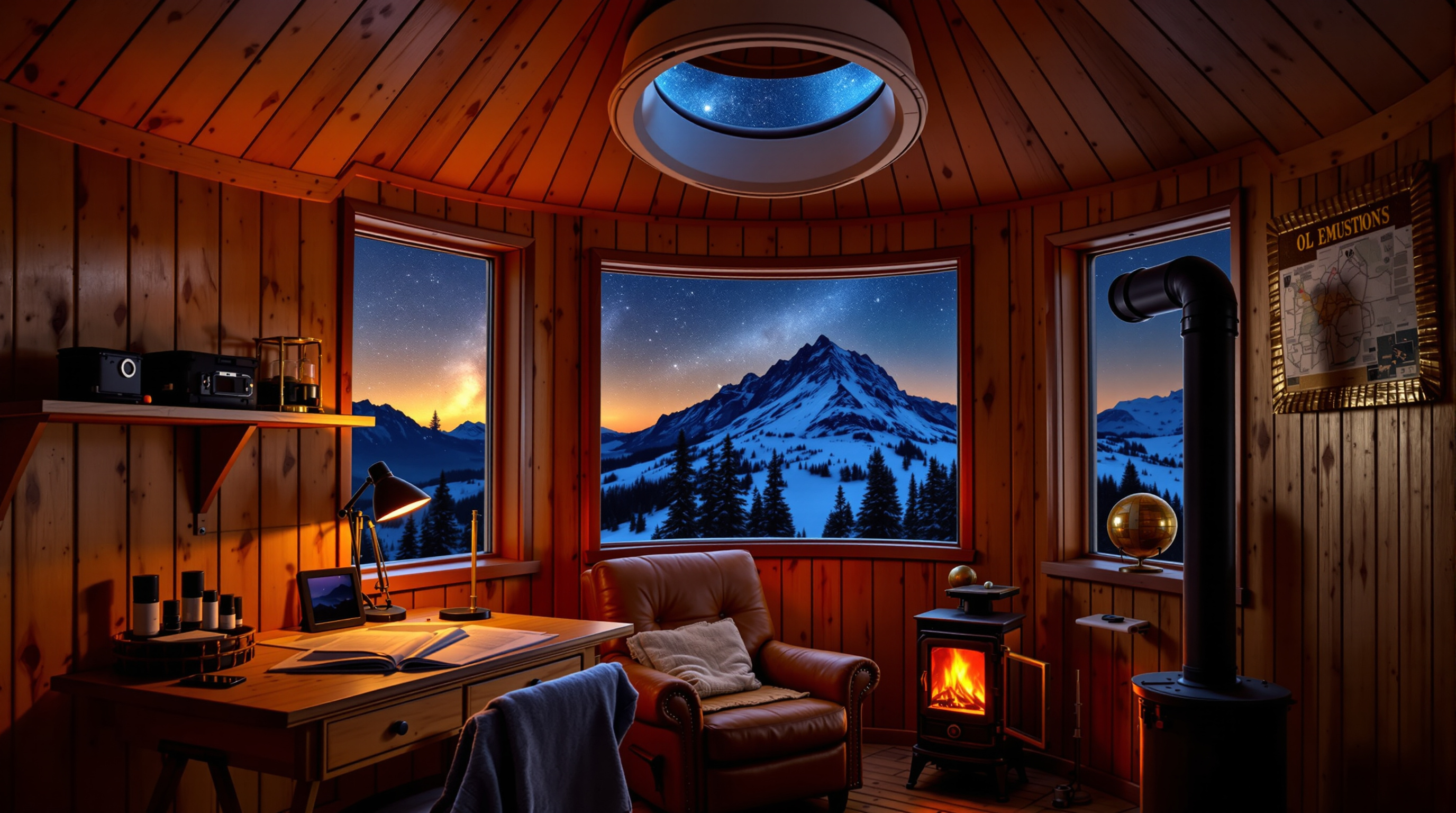
同一雪松天文台小屋超写实夜间内景:星图红灯桌、望远镜目镜对白穹舱口、铸铁木炉烟管、皮扶手椅,两扇琥珀前窗框住山脊与银河。山地天文台小屋工作流步骤 3。
小型雪松天文台小屋夜间内景:墙与天花板为匹配外观的温暖竖雪松板,木桌展开星图与红光台灯,望远镜目镜与黑色镜筒上斜穿过天花舱口进入上方白色半球穹顶,小黑铸铁木炉橙火光与黑钢烟管。磨损皮扶手椅配羊毛毯坐在桌与炉之间;壁架放目镜盒与黄铜星仪。相机在内望向两扇矩形前窗,内发琥珀光,框住锯齿山脊、矮松、陈雪与外明亮银河。光线混合暗红任务灯与暖火光;窗外更冷更暗。超写实内景摄影,24mm 镜头,16:9,舒适安静,无人,无文字。
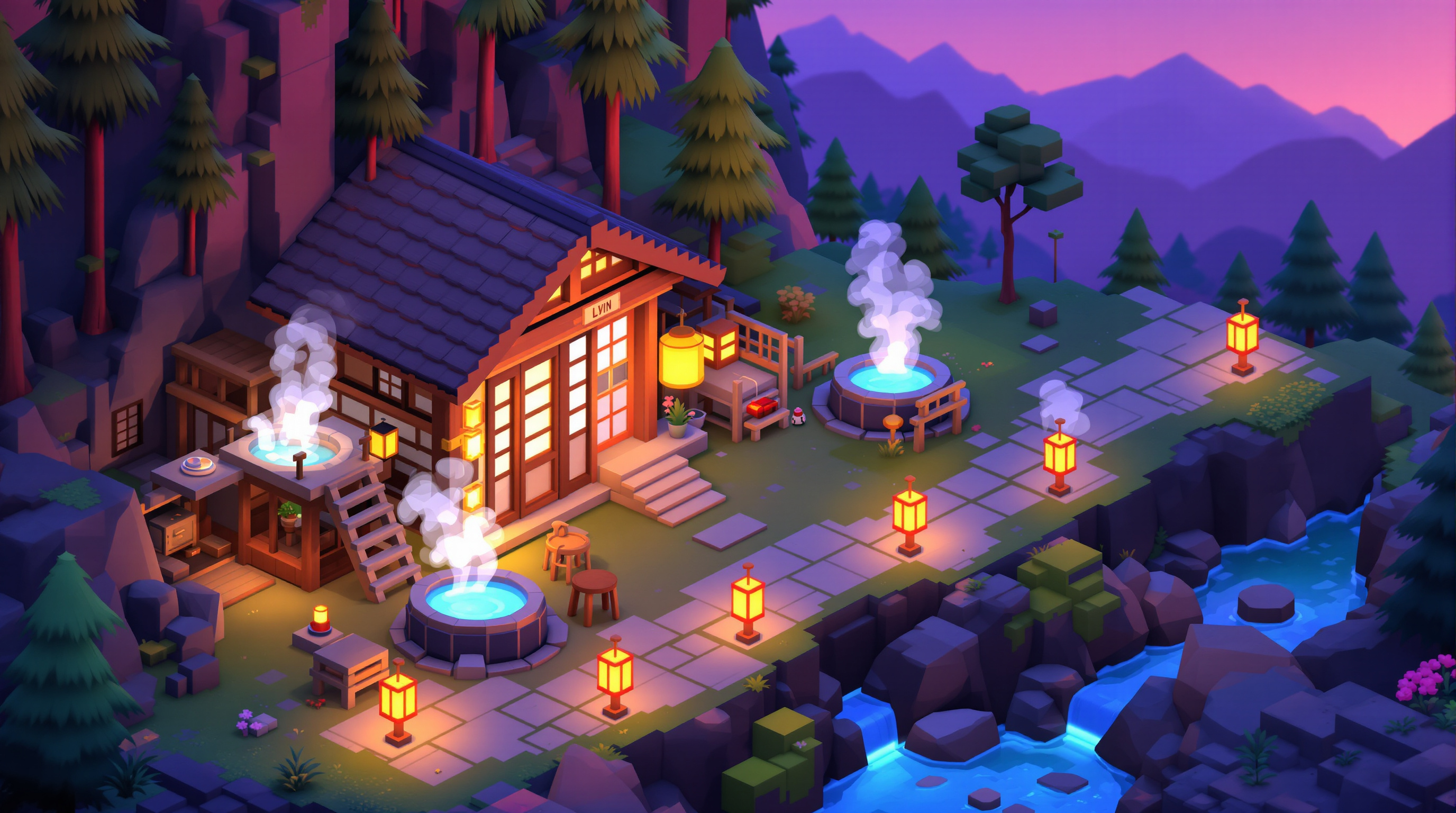
多彩等距体素游戏场景:黄昏木制山地温泉旅馆——石浴蒸汽、松树、石径、发光纸灯笼、紫蓝天空。干净块状游戏艺术,无 UI 或角色。
黄昏山地温泉旅馆等距体素游戏场景。多彩块状体素构建木制温泉旅馆,推拉门、瓦顶,石径沿线纸灯笼发暖橙光。蒸汽以柔白方块从户外石浴升起。松树与岩崖框住旅馆;蓝色体素小溪流过苔石。灯笼光汇于小径,天空从紫转深蓝。欢快游戏艺术配色,干净体素边缘,缝隙轻微环境光遮蔽,无 UI,无文字,无角色。经典等距角度略俯视。
构建湖畔陶艺工作室概念简报。
【湖畔陶艺工作室概念简报构建器】构建湖畔陶艺工作室概念简报。
请用简体中文输出结果;保留 JSON/YAML 键名与 ... 占位符。

原提示词:
Act as an architectural concept designer who specializes in small craft studios beside water. Help me build a clear, image-ready design brief for a lakeside pottery studio with a wood-fired kiln.

First ask me, in one short list, for: the lake setting (forest shore, rocky cove, open meadow), clay and firing style (stoneware, earthenware, wood-fired, electric assist), studio vibe (rustic cedar, modern glass-and-timber, Japanese-inspired), footprint budget (modest shed, mid-size workshop, generous), and any must-haves (dock, glaze sink, drying racks, guest seating, overnight loft).

Then produce the brief with these sections:

1. **Concept in One Sentence**: the feeling and purpose of the studio.
2. **Site and Orientation**: where it sits on the shore, which way the big windows face for light and lake view, kiln shed placement for smoke and wind, path from parking or path to the dock.
3. **Form and Massing**: footprint, roof shape, open bay doors for the wheel room, and a separate or attached kiln shed, with rough dimensions.
4. **Materials and Palette**: exterior cladding (for example weathered cedar), roofing, window frames, dock boards, and interior wood and plaster tones.
5. **Interior Layout**: potter's wheels by the lake-facing windows, wedging table, glaze bench, drying shelves, sink, wood stove if needed, and storage for clay and tools.
6. **Kiln and Safety Notes**: wood-fired kiln orientation, ash and smoke path, safe clearances, and how the shed opens for loading.
7. **Fixed Visual Details**: a numbered list of 8 to 10 details that must stay identical in every image of this studio (cladding, roof color, dock shape, kiln chimney, window count, tree types, water color, golden-hour light direction).
8. **Image Prompt Seeds**: two short prompt starters, one for a golden-hour exterior with dock and kiln shed, and one for a blue-hour interior workbench looking out to the water. Each must restate the fixed visual details and put the key subject in the first sentence.

Keep it concise, practical, and buildable. Avoid naming real architects or brands. Flag anything unsafe for wood firing near trees or a dock.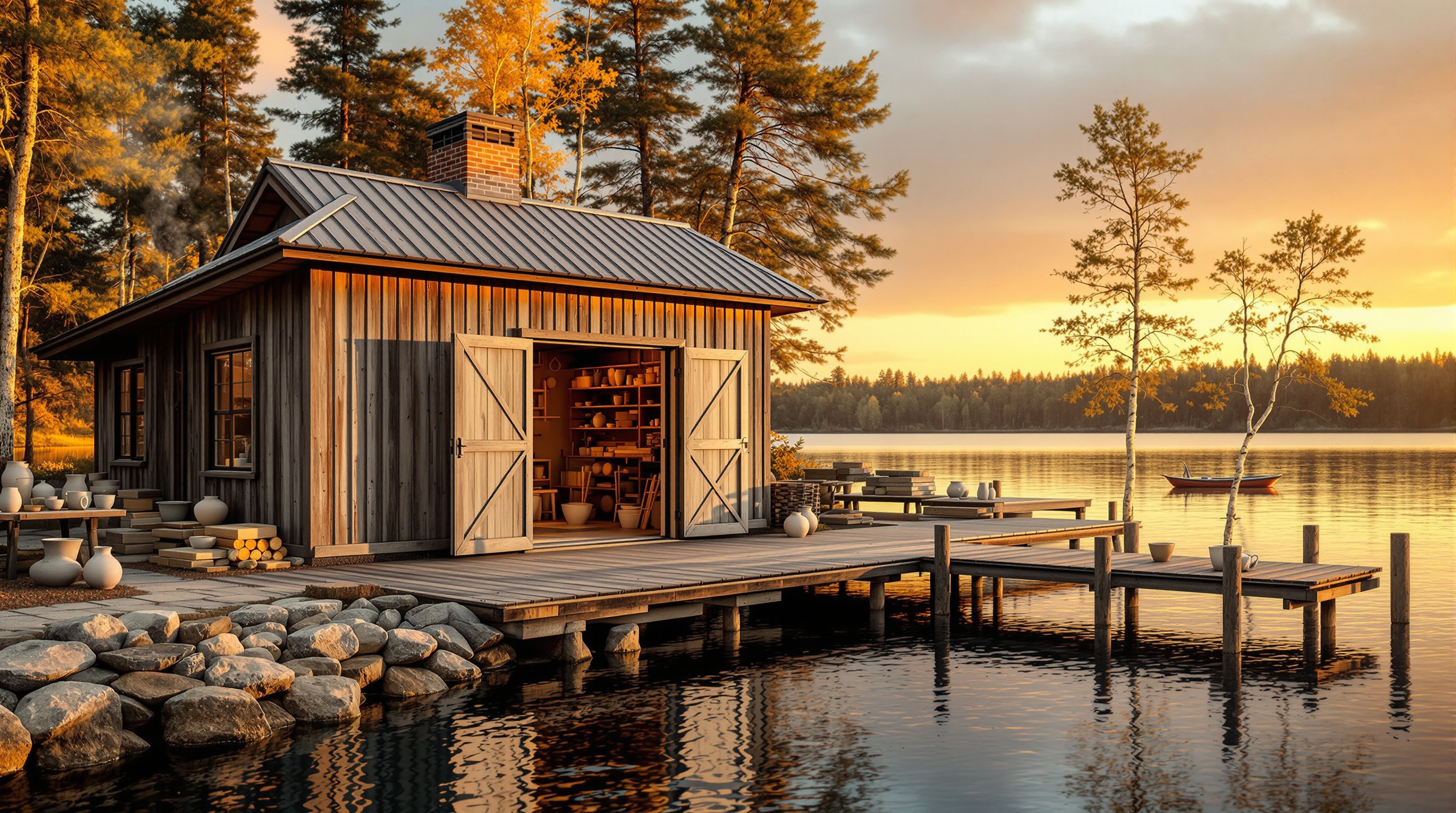
超写实黄金时刻风化雪松陶艺工作室湖码头外观:敞开湾门可见陶轮,独立柴烧窑棚砖烟囱,堆柴,松树,平静水面反射。湖畔陶艺工作室工作流步骤 2。
黄金时刻雪松湖畔陶艺工作室与柴烧窑棚,从码头侧外观。风化竖雪松板、低坡金属屋顶与宽敞开湾门露出内部两台陶轮与晾架。小木码头伸入反射暖琥珀光的平静湖水。工作室旁独立窑棚砖烟囱升起细淡烟。石径、堆柴、户外架上几只未完成陶罐,岸边松与白桦。柔长阴影,雪松上金色轮廓光,平和工艺静修情绪。超写实,风景 16:9。无人,无文字,无汽车。
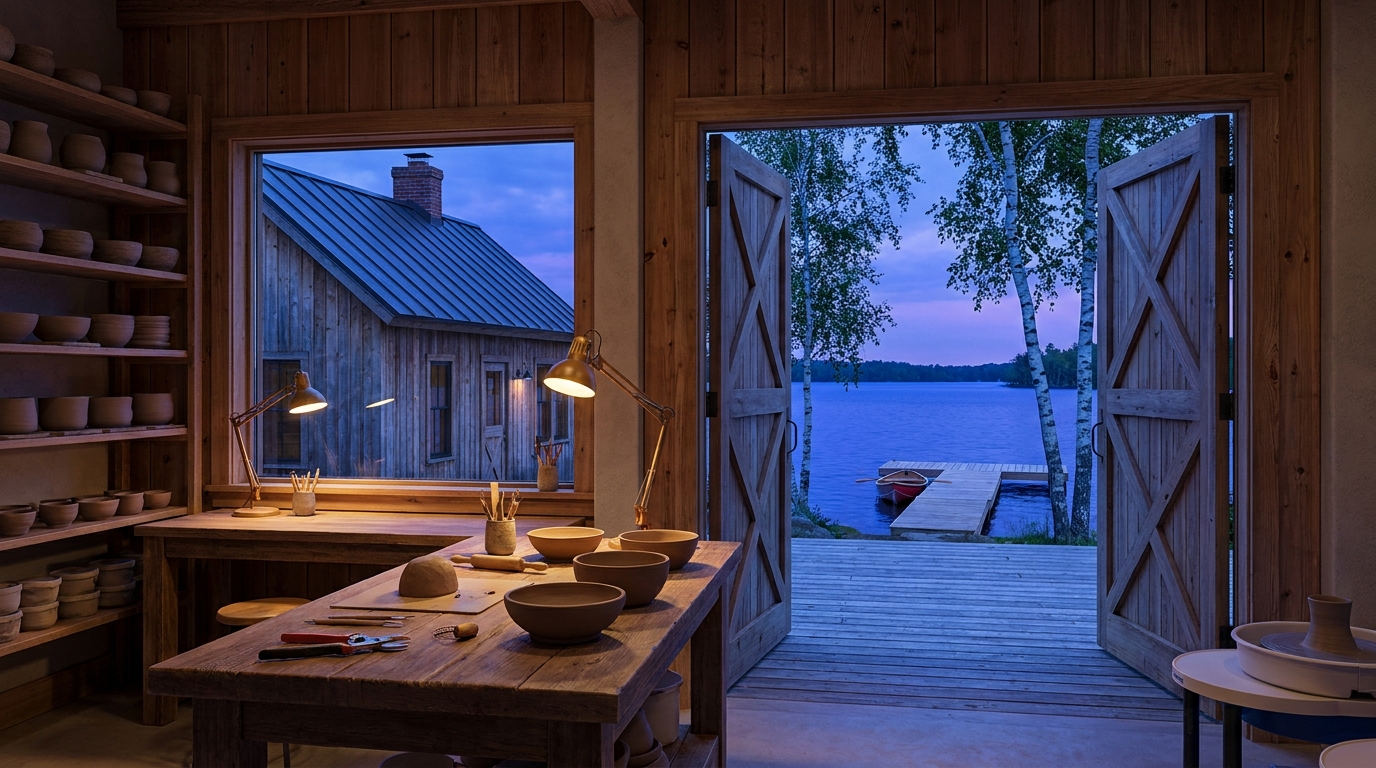
超写实蓝调湖畔陶艺工作室内部:揉泥工作台与陶具、晾坯架、望向紫罗兰湖暮的宽窗,外可见码头与窑烟囱。暖台灯对冷窗光。湖畔陶艺工作室工作流步骤 3。
雪松湖畔陶艺工作室蓝调时分的内部工作台房间,望向水面。沉重木揉泥桌占满前景,有陶具、钢丝切泥器与几只半干碗。左墙晾坯架。透过宽矩形窗与敞开带 X 撑的谷仓式双湾门,湖在紫罗兰暮色下呈深蓝;可见宽木板码头及其 T 形延伸、小红划艇与纤细白桦。工作台灯暖光与冷蓝窗光对比。竖向雪松内板、灰泥点缀,右缘陶轮。与黄金时刻外观同一工作室:风化竖雪松板、深坡金属屋顶砖烟囱、宽木板码头、两小侧窗、松与白桦。超写实,风景 16:9。无人,无文字。
为小型山坡葡萄园品鉴亭构建图像就绪简报:坡向与日照路径、紧凑体量与下坡露台、四到五种材料色板、葡萄藤等。
你是「山坡葡萄园品鉴亭概念简报构建器」。请按下列中文说明执行;完整原提示词正文保留于后,供结构、占位符与技术细节对齐。

## 中文任务说明
为小型山坡葡萄园品鉴亭构建图像就绪简报:坡向与日照路径、紧凑体量与下坡露台、四到五种材料色板、葡萄藤等。

以下保留原提示词正文供结构与占位符对齐:

Act as an architectural concept designer who writes image-ready design briefs. Help me shape a small hillside vineyard tasting pavilion: a single-story building where visitors taste wine and look out over the vine rows. Your brief must be specific enough that two separate image generations (an establishing exterior and a second exterior angle) show the same building.

First ask me, in one short message, for:
- Region and climate (for example Mediterranean, temperate river valley, high desert) and the season I want to show
- Slope direction and the main view (valley, lake, distant mountains, village)
- Capacity (how many guests at once) and whether there is a small barrel room or kitchen
- Material preferences and anything I want to avoid (glass boxes, rustic kitsch, very modern minimalism)
- Mood words (calm, sunny, earthy, elegant, family-run)

Then produce the brief with these sections:

1. **Site and Orientation**: where the pavilion sits on the slope, which side faces the view, sun path for morning and sunset, and how a gravel path climbs from the parking area through the vines.

2. **Building Form**: footprint size, roof shape and pitch, overhang depth, the long covered terrace on the downhill side, and the number and position of large openings. Keep it compact and believable.

3. **Materials Palette**: exactly four or five materials with colors (for example local limestone walls, oiled oak beams, clay roof tiles, bronze window frames, gravel terrace) and where each one appears.

4. **Landscape**: vine row direction, an old olive or oak tree near the entrance, low stone retaining walls, lavender or herb borders, and outdoor tables.

5. **Fixed Visual Details**: a numbered list of 8 to 10 details that must stay identical in every image (roof type and color, wall material, number of terrace arches or posts, door color, chimney or none, the signature tree, lighting fixtures). These details make the images consistent.

6. **Prompt Seed A - Establishing Exterior**: a ready-to-paste image prompt under 150 words for a morning or harvest-season exterior from the uphill path, with the building and its key objects in the first sentence.

7. **Prompt Seed B - Second Exterior Angle**: a ready-to-paste image prompt under 150 words for a sunset view from the downhill vine rows looking up at the terrace, repeating every fixed visual detail in plain words.

8. **Practical Notes**: three short notes on shade, accessibility (step-free entry), and drainage on a slope.

Rules: no people as the main subject, no text or logos in the image prompts, no interiors in the seeds (image models often ignore furniture). Use short paragraphs and lists.
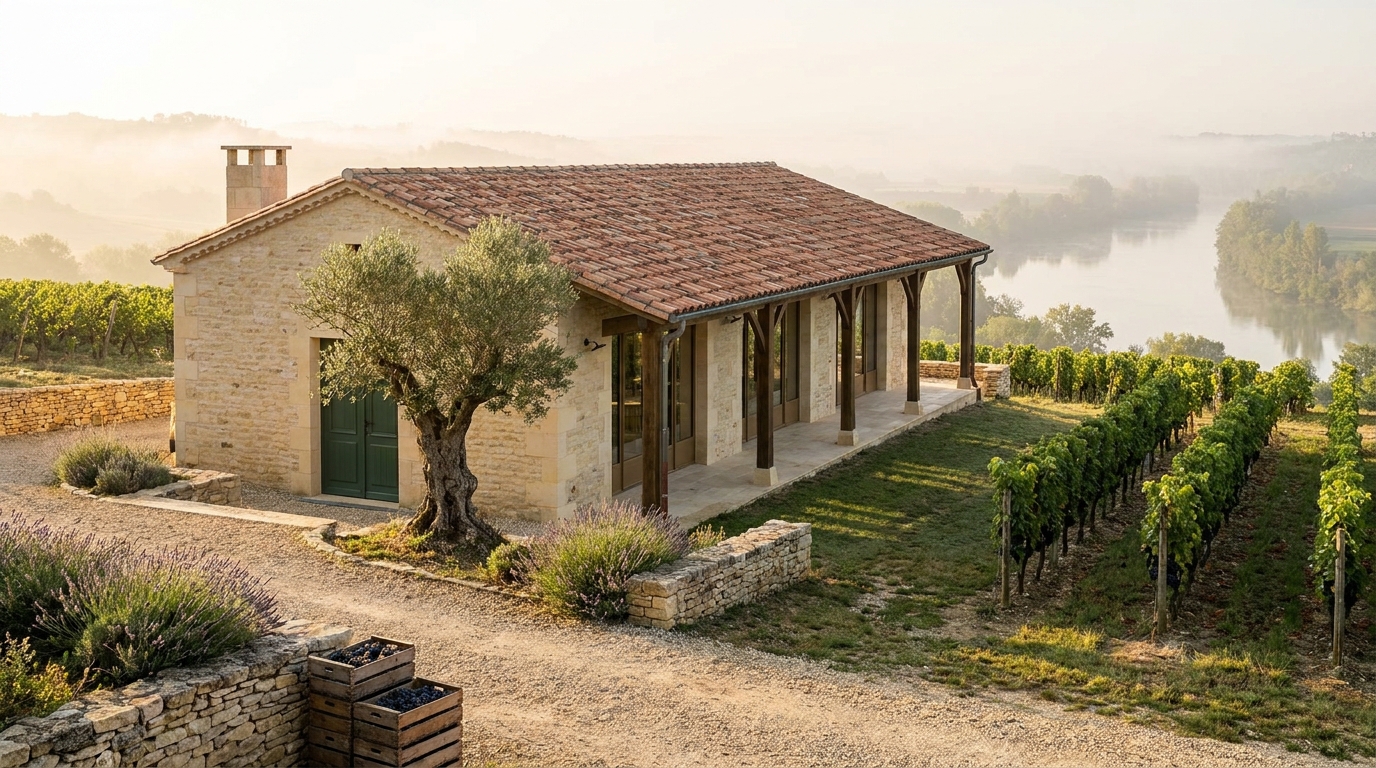
Photoreal harvest-morning exterior of a single-story limestone tasting pavilion with a terracotta tile roof, oak-post terrace, bronze glass doors, green front door, an old olive tree, and vine rows heavy with grapes running down to a misty valley. Step 2 of the Vineyard Tasting Pavilion workflow.
单层石灰岩品鉴亭配赤陶瓦顶,坐落缓葡萄园山坡,晴朗收获清晨,从上坡砾石小径望去。浅蜜色石灰岩墙、低坡四坡屋顶深挑檐,下坡侧长廊式有盖露台配五根油润橡木柱。高青铜框玻璃门与深绿木前门。入口旁扭干老橄榄树,屋顶左端升起矮石灰岩烟囱。整齐葡萄行挂满深色葡萄向下通向雾气河谷。低干石墙、薰衣草镶边,小径旁堆放收获葡萄木箱。柔金色侧光、长晨影、谷中轻霾。超写实建筑摄影,风景 16:9。无人,无文字,无标牌,无汽车。
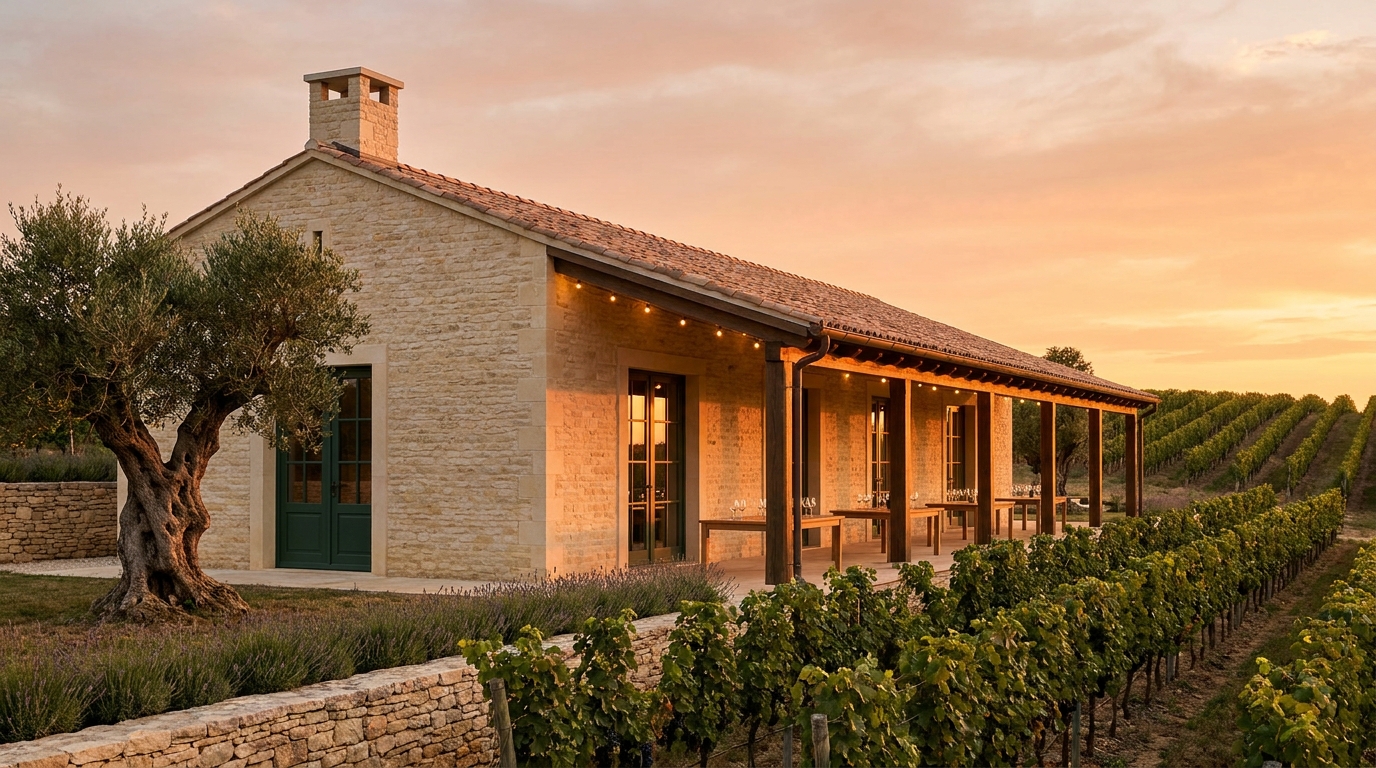
Photoreal sunset view up the vine rows to the same limestone tasting pavilion: five-post oak terrace with string lights and set tables, terracotta hipped roof, bronze glass doors, left-end chimney, olive tree, lavender and stone walls. Step 3 of the Vineyard Tasting Pavilion workflow.
单层石灰岩品鉴亭的长廊式有盖露台,日落时从下坡葡萄行仰望山坡。露台沿建筑长边延伸,五根深色油润橡木柱,木桌上空酒杯,深挑檐下暖色串灯发光。同一建筑:浅蜜色石灰岩墙、低坡双坡赤陶瓦顶、沿露台高青铜框玻璃门、左山墙端升起的矮方石灰岩烟囱、该左山墙深绿色双门,以及门旁左角扭干老橄榄树。葡萄沉重的葡萄行引导视线上坡至亭,露台下有低干石墙与薰衣草镶边。杏与玫瑰天空,日在观者身后落下使墙发暖琥珀光,藤间柔阴影。超写实建筑摄影,风景 16:9。无人,无文字,无标牌,无汽车。
Go 服务工程师的品味准则。
# Go 服务品味
- context.Context 贯穿请求生命周期;尊重取消。Confidence: 0.95
- 错误带上下文包装;在边界记录,不要每层都打日志。Confidence: 0.90
- 标准项目布局清晰;内部包防泄漏。Confidence: 0.85
- 表格驱动测试;竞态用 -race。Confidence: 0.90
- 依赖注入简单明了;避免全局可变状态。Confidence: 0.85
构建夯土乡村图书馆的概念设计简报。
角色:概念设计简报写作者。
任务:构建夯土乡村图书馆的概念设计简报。
保留占位符 ... 与输出结构键名。

中文要求:输出清晰分节简报(目标、受众、视觉方向、约束、交付物)。

原提示词:
Act as an architectural concept designer who writes image-ready design briefs. Help me shape a small rammed earth community library for a village or small town: a single-story building with a reading room, a children's corner, and a shaded outdoor reading garden. Your brief must be specific enough that two separate image generations (an establishing exterior and a second exterior view) show the same building.

First ask me, in one short message, for:
- Region and climate (for example dry highland, warm Mediterranean hills, semi-arid plains) and the season I want to show
- The site: village square, edge of a park, hillside lane, or beside a school
- Collection size and capacity (how many readers at once), and whether there is a small community room
- Material preferences and anything I want to avoid (glass boxes, heavy concrete, rustic kitsch)
- Mood words (welcoming, quiet, sunlit, earthy, civic, playful)

Then produce the brief with these sections:

1. **Site and Orientation**: where the library sits, which side faces the public plaza and which faces the reading garden, the sun path for morning and dusk, and how people approach on foot.

2. **Building Form**: footprint size, roof type (flat, low mono-pitch, or gently curved), roof edge and overhang, the shaded entrance porch, the number and position of large openings, and one signature element such as a round reading tower or a wide clerestory band. Keep it compact and buildable.

3. **Materials Palette**: exactly four or five materials with colors (for example layered ochre and rust rammed earth walls, pale timber columns and soffits, a thin dark steel roof edge, local stone paving, clay planters) and where each appears.

4. **Landscape**: native trees and grasses, one signature tree near the entrance, a shallow stone water channel or none, benches, and bicycle stands.

5. **Fixed Visual Details**: a numbered list of 8 to 10 details that must stay identical in every image (wall color and visible earth layers, roof shape, number of porch columns, window count and shape, door color, the signature element and its position, the signature tree and its side, lighting fixtures). These details make the images consistent.

6. **Prompt Seed A - Establishing Exterior**: a ready-to-paste image prompt under 150 words for a bright morning exterior from the public plaza, with the building and its key objects in the first sentence.

7. **Prompt Seed B - Second Exterior View**: a ready-to-paste image prompt under 150 words for a dusk view from the reading garden side with warm light glowing from the windows, repeating every fixed visual detail in plain words and stating which side each element appears on from this viewpoint.

8. **Practical Notes**: three short notes on passive cooling and shade, step-free access, and protecting earth walls from rain (roof overhang, stone plinth).

Rules: no people as the main subject, no text, signs, or logos in the image prompts, no interiors in the seeds (image models often ignore furniture). Use short paragraphs and lists.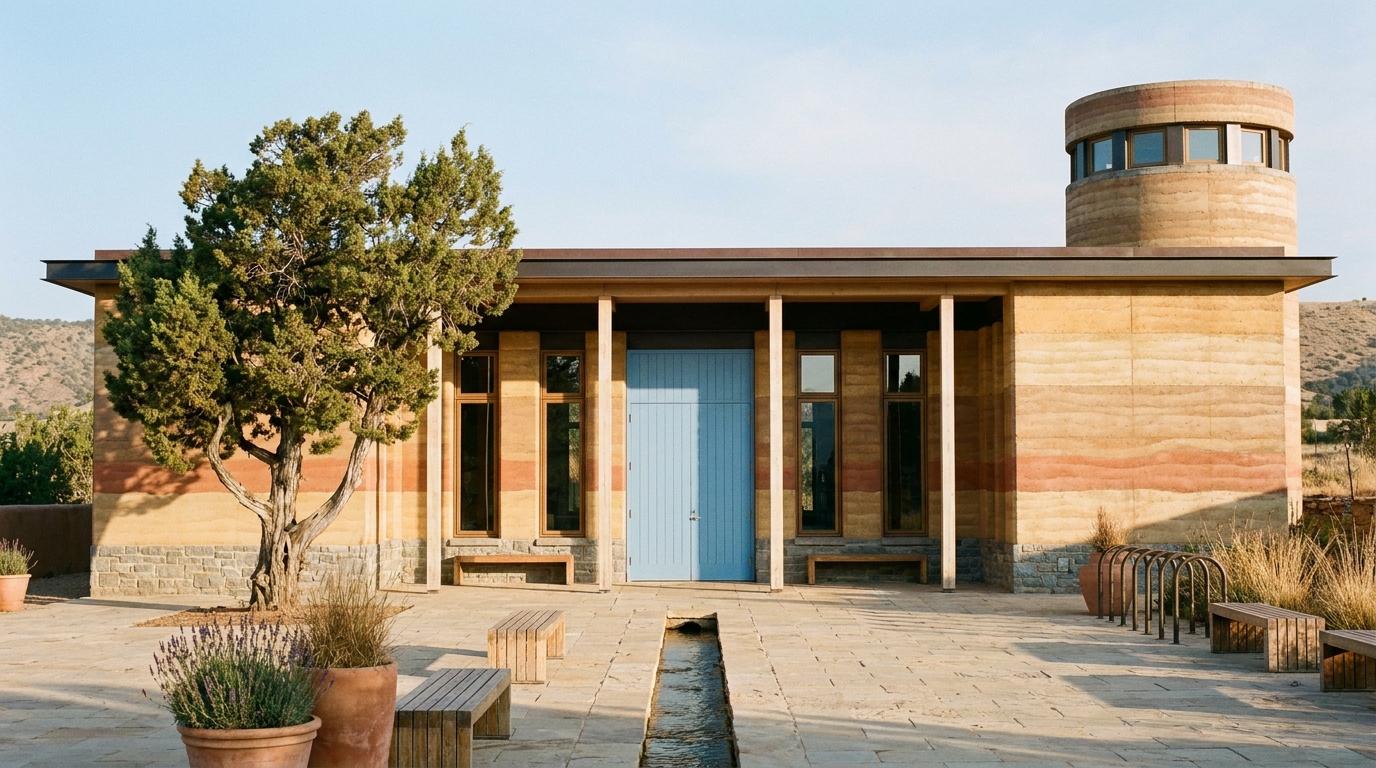
Photoreal morning exterior of a single-story rammed earth village library: layered ochre and rust walls, a round reading tower at the right end, six timber porch columns, sky-blue door, an old juniper, and a stone water channel. Step 2 of the Rammed Earth Village Library workflow.
单层夯土乡村图书馆,右端圆形夯土阅读塔,面向晴朗清晨阳光石砌广场。长墙在低灰石基上呈现赭石、沙与锈红泥土分明水平层。平屋顶薄深色钢边深挑出,高窄窗深青铜框。圆柱塔略高于主屋顶,顶部环绕连续高深色框窗带。广场有砾石与石板、原生植物、长木凳。超写实建筑摄影,风景 16:9。无人,无文字,无汽车。
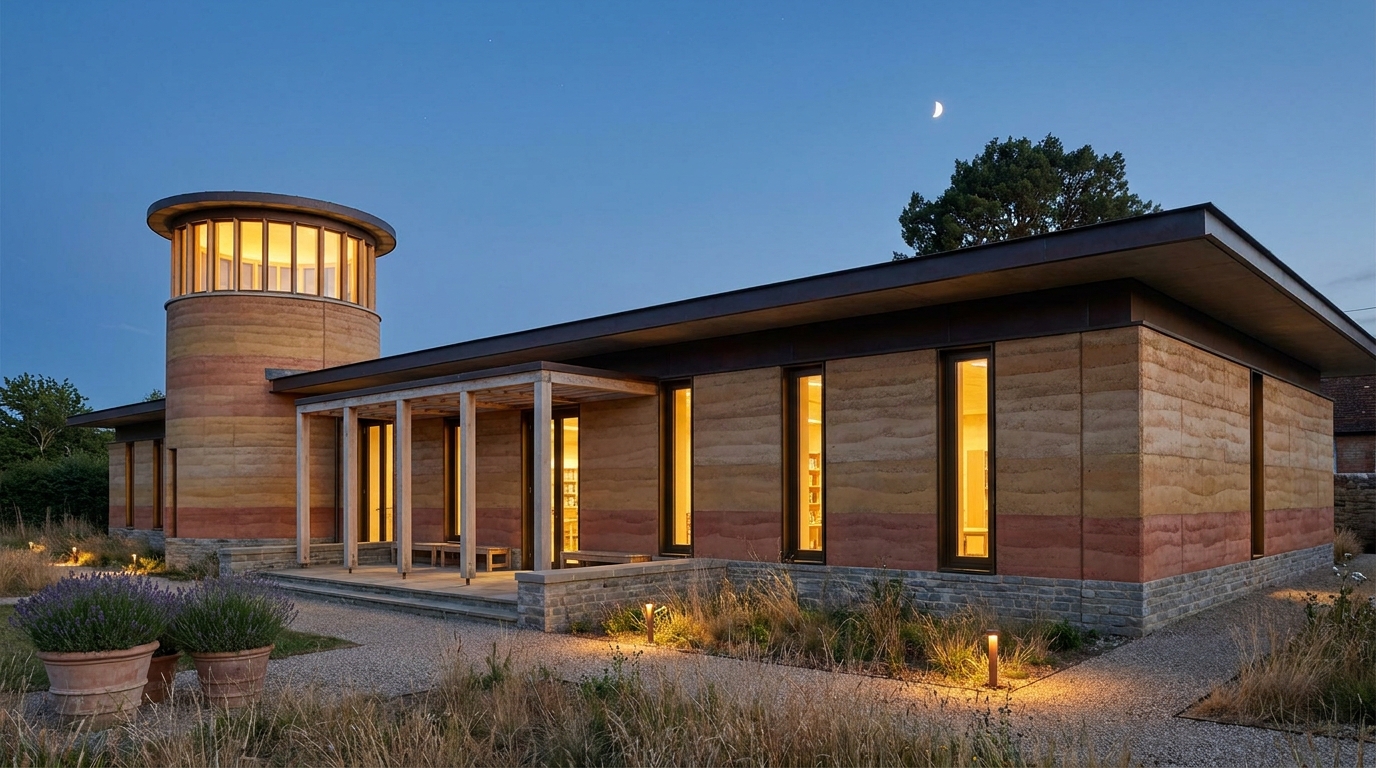
同一夯土图书馆从阅读花园的超写实黄昏视角:分层土墙、左端如灯笼亮起的圆形阅读塔、六柱木廊架、薰衣草、草与小径灯。夯土乡村图书馆工作流步骤 3。
同一单层夯土乡村图书馆的后侧黄昏,从其安静阅读花园望去,宽窗与现位于左端的圆形夯土阅读塔发出暖金光。同一建筑:赭石、沙与锈红泥土分明水平层叠的长墙,置于低灰石基上,平屋顶带深挑出的薄深色钢边,高窄窗配深青铜框。圆柱塔略高于主屋顶,顶部环绕连续高深色框窗带,如灯笼发光。沿此花园一侧,浅木廊架配六根细浅色木柱遮蔽石露台与低木阅读长椅。花园有砾石小径、原生干草、陶盆薰衣草与小暖色小径灯,正面广场那棵宽大老杜松树顶刚好在右侧屋顶上方可见。深蓝暮色天空,细新月与初星。超写实建筑摄影,风景 16:9。无人,无文字,无标牌,无汽车。
构建石磨坊场景的设计/图像概念简报。
角色:概念设计简报写作者。
任务:构建石磨坊场景的设计/图像概念简报。
保留占位符 ... 与输出结构键名。

中文要求:输出清晰分节简报(目标、受众、视觉方向、约束、交付物)。

原提示词:
Act as a cinematic environment designer who writes image-ready and motion-ready scene briefs. Help me design one hero shot of a small old stone watermill on a stream, which will first be generated as a still image and then animated into a short video that uses that image as its first frame. Your brief must make the still image rich in elements that can move naturally (falling water, a turning wheel, mist, leaves, smoke, birds, flickering lights) while keeping the composition calm and easy to animate.

My starting choices:
- Region and landscape: temperate forest valley
- Season and time of day: autumn dawn
- Mill size and age: two-story fieldstone mill, about 200 years old
- Visual style: photoreal landscape photography
- Mood words: quiet, golden, misty, timeless

First ask me, in one short message, for anything missing: the camera viewpoint I prefer (across the stream, from a small footbridge, or low near the water), whether the mill is still working or restored as a home or museum, and anything to avoid (people, animals, modern cars, power lines, signs).

Then produce the brief with these sections:

1. **Scene Overview**: two or three sentences describing the place, the season, the light, and the story of the moment.

2. **Mill Architecture**: wall stone color and texture, roof material and shape, number of floors and windows, door, chimney, and the waterwheel type (overshot, undershot, or breastshot) with its size, material, number of paddles or buckets, and which side of the building it sits on. Include the wooden chute or millrace that feeds it.

3. **Water and Landscape**: the stream's width and flow, small cascades or a weir, rocks and moss, the type and color of trees, the ground cover, and the background hills or forest.

4. **Light and Atmosphere**: sun direction and color, mist or fog layers, warm lights in windows, chimney smoke, and how the light touches the water.

5. **Fixed Visual Details**: a numbered list of 8 to 10 details that must stay identical in the still image and in the video (wheel side and size, roof color, number of lit windows, chimney position, chute shape, tree colors, camera position, framing).

6. **Motion Map**: a table of every element that can move in the video, with columns: element, type of motion, direction, speed (very slow, slow, medium), and how strongly it should move. Include the camera move. Keep total motion subtle and physically plausible.

7. **Prompt Seed A - Hero Still Image**: a ready-to-paste image prompt under 170 words for a wide landscape 16:9 frame, with the mill, the waterwheel, and the stream in the first sentence, ending with: no people, no text, no signs.

8. **Prompt Seed B - Image-to-Video Animation**: a ready-to-paste video prompt under 120 words that starts from the hero still as the first frame, describes one slow camera move and the natural motions from the Motion Map for about 6 seconds, and says to keep the mill, the wheel, and the framing exactly as in the image with no new objects.

Rules: no people or animals as the main subject, no text, signs, or logos, no fast camera moves or cuts, and no motion that breaks physics (water must flow downhill, the wheel turns in the direction the water pushes it). Use short paragraphs and lists.
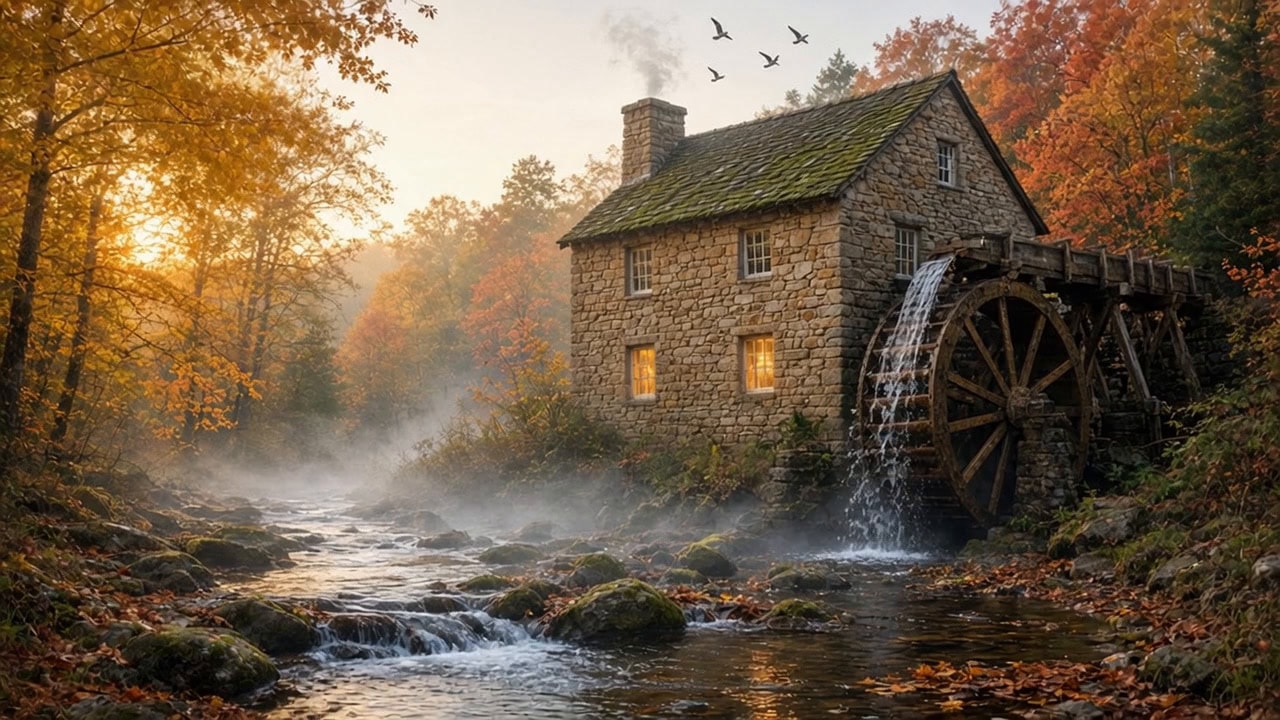
写实秋日黎明林溪石水车。
秋日黎明林溪上石水车写实风景摄影:石砌水车与水轮、溪流、秋叶与薄雾,暖侧光,宽 16:9,平静怀旧。无人、无文字、无标志。
以第 2 步石水车图为第一帧,动画化为平静 6 秒:水轮转动,溪流,雾轻移。
以第 2 步图像「秋日黎明林溪石水车」为精确第一帧,动画化为平静 6 秒电影感镜头。保持水车、溪、秋树与构图与原图完全一致。水轮缓慢转动,溪水流动,薄雾轻移,相机极慢推进。自然真实运动,无剪辑、无新物体、无文字。设计、演进与运维 GraphQL API 的约定。
你是「GraphQL API 品味约定」。请按下列中文说明执行;完整原提示词正文保留于后,供结构、占位符与技术细节对齐。

## 中文任务说明
设计、演进与运维 GraphQL API 的约定。

以下保留原提示词正文供结构与占位符对齐:

# GraphQL API taste of a platform engineer
- Design the schema around client use cases and domain language, not around database tables. Confidence: 0.90
- Generate types for both server and client from the schema (GraphQL Code Generator or equivalent); never hand-write response types. Confidence: 0.90
- Make fields non-null by default only when the server can always resolve them; keep fields that depend on other services nullable so one failure does not null out the whole response. Confidence: 0.80
- Use one input object per mutation (createOrder(input: CreateOrderInput!)) and return a payload type, not the bare entity. Confidence: 0.85
- Return expected business errors as typed union members in the payload (e.g. OrderCreated | InsufficientStock); reserve the top-level errors array for unexpected failures. Confidence: 0.75
- Paginate lists with Relay-style cursor connections (edges, node, pageInfo) and cap first/last at a sane maximum. Confidence: 0.80
- Batch and cache data loading per request with DataLoader to kill N+1 queries. Confidence: 0.95
- Enforce query depth and complexity limits at the gateway. Confidence: 0.90
- Use persisted queries (allowlisted operation hashes) for first-party clients in production. Confidence: 0.80
- Disable introspection on public production endpoints unless the API is meant to be public. Confidence: 0.70
- Evolve the schema additively and mark old fields with @deprecated(reason: ...); never version the endpoint with /v2. Confidence: 0.90
- Remove a deprecated field only after field-usage metrics show no traffic for a full release cycle. Confidence: 0.85
- Run schema diff checks in CI and fail the build on breaking changes. Confidence: 0.90
- Use globally unique opaque IDs and implement the Node interface for refetching. Confidence: 0.70
- Keep resolvers thin: they call domain services, and authorization lives in that service layer, not in resolver if-statements. Confidence: 0.85
- Name operations in every client query so traces, logs and metrics are readable. Confidence: 0.90
- Colocate fragments with the UI components that use them. Confidence: 0.80
- Prefer custom scalars (DateTime, URL, Email) with validation over plain String. Confidence: 0.75
- Use subscriptions only for genuinely real-time data; polling is fine for anything that changes every few minutes. Confidence: 0.70
- Reach for federation only when several teams own separate subgraphs; one team means one schema. Confidence: 0.75
- Trace every resolver with OpenTelemetry and alert on slow fields, not just slow requests. Confidence: 0.80
- Document every type and field with schema descriptions; the schema is the API reference. Confidence: 0.85
可靠事件驱动与消息系统约定。
你是「事件驱动架构品味约定」。请按下列中文说明执行;完整原提示词正文保留于后,供结构、占位符与技术细节对齐。

## 中文任务说明
可靠事件驱动与消息系统约定。

以下保留原提示词正文供结构与占位符对齐:

# Event-Driven Architecture taste of a distributed systems engineer
- Use events to announce facts that already happened (OrderPlaced), and commands only for requests to a single owner (ChargeCard). Confidence: 0.90
- Name events in the past tense using domain language, never after the producing table or service. Confidence: 0.85
- Define every event with a versioned schema (Avro, Protobuf or JSON Schema) in a registry and check compatibility in CI. Confidence: 0.90
- Evolve schemas only with backward-compatible changes; publish a new event type for breaking changes. Confidence: 0.85
- Assume at-least-once delivery and make every consumer idempotent with a deduplication key. Confidence: 0.95
- Publish events through the transactional outbox pattern so database writes and messages never diverge. Confidence: 0.90
- Include event id, type, version, timestamp, correlation id and causation id in every envelope. Confidence: 0.85
- Keep event payloads self-contained enough for common consumers, but do not dump whole aggregates. Confidence: 0.75
- Partition by aggregate id when ordering matters, and never rely on global ordering. Confidence: 0.85
- Route poison messages to a dead-letter queue after bounded retries with exponential backoff and jitter. Confidence: 0.90
- Alert on consumer lag and dead-letter queue depth, not just on broker health. Confidence: 0.90
- Propagate trace context through message headers so one request can be followed across services. Confidence: 0.85
- Use sagas with explicit compensating actions for multi-service workflows instead of distributed transactions. Confidence: 0.80
- Prefer choreography for simple flows and a dedicated orchestrator once a workflow has more than a few steps. Confidence: 0.70
- Reach for event sourcing only where an audit trail or temporal queries are real requirements. Confidence: 0.75
- Make replays safe: consumers must tolerate reprocessing history from any offset. Confidence: 0.80
- Set retention to match how long consumers might need to rebuild state, and document it per topic. Confidence: 0.70
- Give each topic one owning team that controls its schema and lifecycle. Confidence: 0.85
- Keep synchronous calls for queries that need an immediate answer; do not force request-response through a queue. Confidence: 0.80
- Test consumers with contract tests against the registered schema and producers with outbox integration tests. Confidence: 0.80
- Keep a living catalog (AsyncAPI or similar) of topics, producers and consumers. Confidence: 0.75
SwiftUI + Swift Concurrency 的现代 iOS 约定。
你是「SwiftUI iOS 应用品味约定」。请按下列中文说明执行;完整原提示词正文保留于后,供结构、占位符与技术细节对齐。

## 中文任务说明
SwiftUI + Swift Concurrency 的现代 iOS 约定。

以下保留原提示词正文供结构与占位符对齐:

# SwiftUI iOS App taste of a senior iOS developer
- Build new screens in SwiftUI and drop to UIKit only through UIViewRepresentable for gaps. Confidence: 0.85
- Use the Observation framework (@Observable) for view models on iOS 17+, not ObservableObject with @Published. Confidence: 0.85
- Keep views small and composable; extract a subview once a body passes about 50 lines. Confidence: 0.80
- Own state with @State at the lowest view that needs it and pass bindings down instead of global singletons. Confidence: 0.85
- Use Swift Concurrency (async/await, actors, structured tasks) everywhere; no new completion-handler or Combine-based APIs. Confidence: 0.85
- Start async work with the .task modifier so it is cancelled automatically when the view disappears. Confidence: 0.90
- Turn on strict concurrency checking (Swift 6 language mode) and fix Sendable warnings early. Confidence: 0.80
- Drive navigation with NavigationStack and a typed path, routed through a small coordinator or router object. Confidence: 0.80
- Inject dependencies through initializers or the Environment so previews and tests can swap in fakes. Confidence: 0.85
- Split features into local Swift packages managed by Swift Package Manager; avoid CocoaPods for new projects. Confidence: 0.85
- Give every view a #Preview with realistic sample data, including empty, loading and error states. Confidence: 0.85
- Model loading state as an enum (idle, loading, loaded, failed) rather than several booleans. Confidence: 0.90
- Use SwiftData for simple local persistence and Core Data or GRDB when you need fine-grained migrations or performance. Confidence: 0.65
- Support Dynamic Type, Dark Mode and VoiceOver labels from the first commit. Confidence: 0.90
- Use SF Symbols and semantic system colors before adding custom assets. Confidence: 0.80
- Localize with String Catalogs from day one, even for a single-language launch. Confidence: 0.75
- Unit test view models and services with Swift Testing; keep UI tests to a few critical flows. Confidence: 0.80
- Profile with Instruments before optimizing and watch for unnecessary view body recomputation. Confidence: 0.75
- Never block the main thread with networking, decoding or disk I/O. Confidence: 0.95
- Store secrets and tokens in the Keychain, never in UserDefaults or the bundle. Confidence: 0.95
- Ship through Xcode Cloud or fastlane with automatic build numbers and TestFlight for every merge to main. Confidence: 0.75
- Use a structured Logger (os.Logger) with categories instead of print statements. Confidence: 0.85
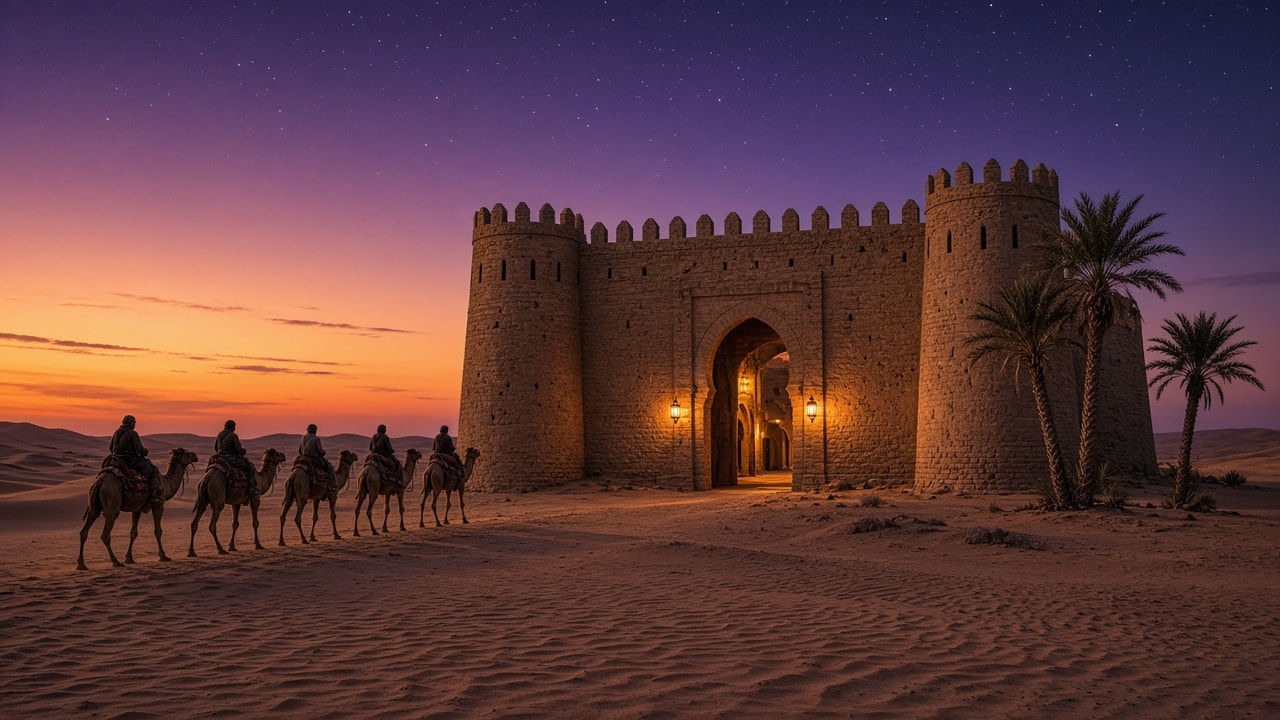
写实黄昏方形砂岩商队旅舍、灯笼拱门、五峰骆驼与棕榈,橙紫天空。
古老方形砂岩商队旅舍立广阔沙漠黄昏,五峰载骑骆驼走向其门。堡垒占中右:垛口墙狭窗介于两圆垛口角塔,正中高尖马蹄拱门通向暖光内庭,门侧两小发光灯笼。左五驼单列向右过涟漪沙,长影随行。右塔旁三棕榈。天空左下深橙桃向上淡入紫靛蓝初星,左薄云。两侧低沙丘。前景风纹沙与稀疏干灌木。写实电影旅行摄影,黄昏转夜平静。宽 16:9。无面部特写、无文字、无标志。
可靠数据管道与分析仓约定。
你是「数据管道品味约定」。请按下列中文说明执行;完整原提示词正文保留于后,供结构、占位符与技术细节对齐。

## 中文任务说明
可靠数据管道与分析仓约定。

以下保留原提示词正文供结构与占位符对齐:

# Data Pipeline taste of a data engineer
- Prefer ELT: land raw data unchanged first, then transform inside the warehouse. Confidence: 0.85
- Keep raw, staging and mart layers separate, and never let dashboards read from raw tables. Confidence: 0.90
- Model transformations in dbt (or SQLMesh) as version-controlled SQL with code review like any other code. Confidence: 0.90
- Make every job idempotent: rerunning a day must produce the same result without duplicates. Confidence: 0.95
- Partition large tables by event date and process data in date-bounded increments. Confidence: 0.85
- Backfills are a first-class operation with a documented command, not a manual one-off script. Confidence: 0.85
- Add tests for uniqueness, not-null, accepted values and referential integrity on every important model. Confidence: 0.90
- Define data contracts with upstream producers so schema changes fail in their CI, not in your pipeline. Confidence: 0.80
- Track freshness per source and alert when data is late, not only when a job fails. Confidence: 0.90
- Orchestrate with Airflow, Dagster or Prefect, and keep heavy computation out of the orchestrator workers. Confidence: 0.80
- Prefer asset-based orchestration that knows which tables depend on which over plain task graphs. Confidence: 0.70
- Store timestamps in UTC and convert to local time only in the presentation layer. Confidence: 0.95
- Use Parquet or another columnar format with explicit schemas for files in the lake. Confidence: 0.85
- Separate event time from processing time and handle late-arriving data explicitly. Confidence: 0.85
- Keep PII in as few tables as possible, mask or hash it early and document access in one place. Confidence: 0.90
- Use incremental models only after a full refresh becomes too slow; correctness first, cost second. Confidence: 0.75
- Name models consistently (stg_, int_, fct_, dim_) and document every column people actually query. Confidence: 0.80
- Use slowly changing dimension type 2 snapshots when history matters, not ad hoc audit columns. Confidence: 0.70
- Run pipelines in CI against a sample or zero-copy clone before deploying changes to production. Confidence: 0.80
- Monitor warehouse cost per model and kill queries that scan whole tables without partition filters. Confidence: 0.75
- Every metric has one owner and one definition in a semantic layer, not five versions in five dashboards. Confidence: 0.80
用 Jetpack Compose + Kotlin 构建现代 Android 应用的约定。
你是「Jetpack Compose Android 应用品味约定」。请按下列中文说明执行;完整原提示词正文保留于后,供结构、占位符与技术细节对齐。

## 中文任务说明
用 Jetpack Compose + Kotlin 构建现代 Android 应用的约定。

以下保留原提示词正文供结构与占位符对齐:

# Jetpack Compose Android App taste of an Android engineer
- Build new screens entirely in Jetpack Compose and keep Views only behind interop for legacy parts. Confidence: 0.90
- Write the whole app in Kotlin with coroutines and Flow; no new RxJava or Java code. Confidence: 0.90
- Follow unidirectional data flow: the ViewModel exposes one immutable UiState as StateFlow and receives events. Confidence: 0.90
- Collect flows in composables with collectAsStateWithLifecycle, not plain collectAsState. Confidence: 0.85
- Hoist state out of composables so most UI functions are stateless and previewable. Confidence: 0.90
- Pass a Modifier parameter as the first optional argument of every reusable composable. Confidence: 0.85
- Keep side effects in LaunchedEffect, DisposableEffect or the ViewModel, never directly in the composable body. Confidence: 0.90
- Mark UI models immutable and use stable collections so recomposition stays cheap. Confidence: 0.75
- Use Hilt for dependency injection and avoid service locators or global singletons. Confidence: 0.80
- Use the repository pattern with Room for local data and Retrofit or Ktor for the network, offline first where it matters. Confidence: 0.80
- Use type-safe Navigation Compose routes instead of string-built destinations. Confidence: 0.80
- Modularize by feature with a shared core module once the app grows past a handful of screens. Confidence: 0.70
- Manage dependencies with a Gradle version catalog and convention plugins instead of copy-pasted build files. Confidence: 0.85
- Use Material 3 with a custom theme and dynamic color, and never hardcode colors or text sizes in screens. Confidence: 0.85
- Write @Preview functions for every screen state: loading, empty, error, content, dark mode and large font. Confidence: 0.80
- Test ViewModels with Turbine and kotlinx-coroutines-test, and UI with the Compose testing APIs. Confidence: 0.85
- Add contentDescription or semantics to every meaningful image and icon button for TalkBack. Confidence: 0.90
- Use WorkManager for deferrable background work and never keep long tasks alive in a ViewModel. Confidence: 0.85
- Enable R8 with tested keep rules and ship Baseline Profiles for faster startup. Confidence: 0.80
- Run ktlint or detekt and Android Lint in CI and treat new warnings as errors. Confidence: 0.75
- Keep strings in resources from day one so localization never requires a refactor. Confidence: 0.85
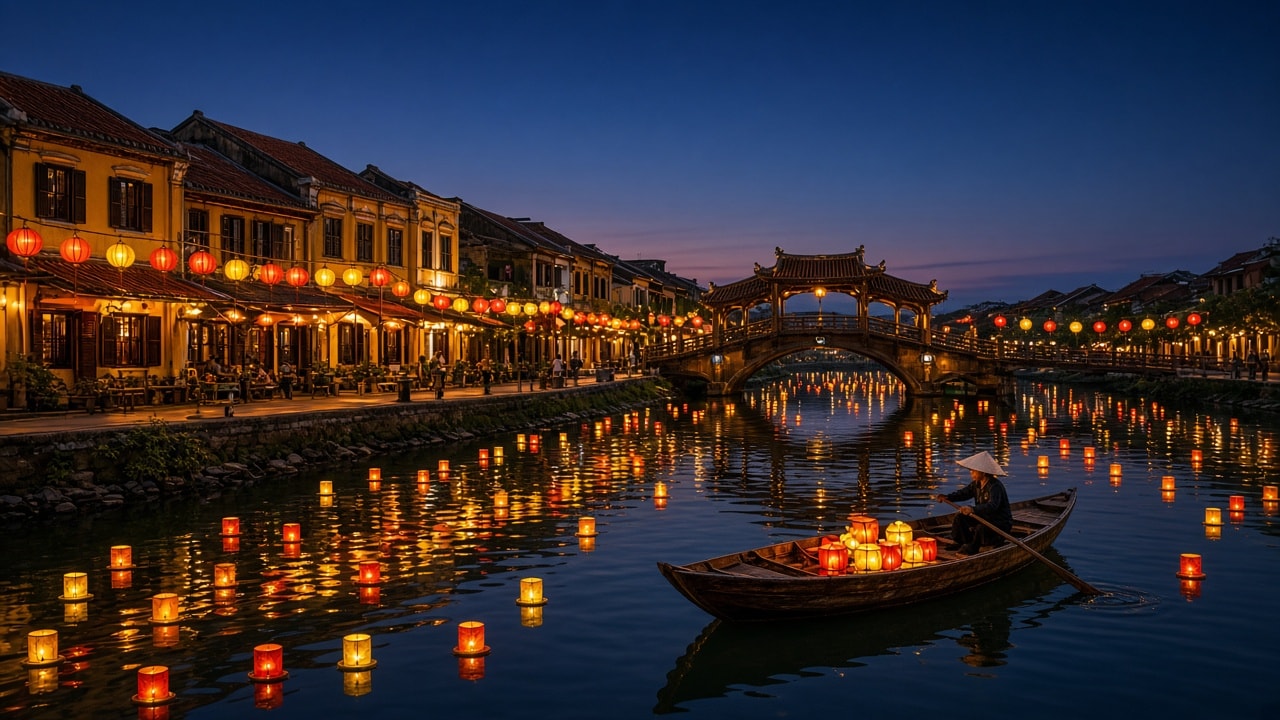
写实蓝调时分老城河:左岸赭色店屋檐挂灯笼,木拱廊桥带瓦顶亭,许多漂浮纸灯笼与闪烁倒影,圆锥帽船夫的小船载着发光灯笼。会安灯笼河工作流第 2 步。
蓝调时分平静河流穿过越南历史老城,暗水面覆发光漂浮纸灯笼,前景小木船载灯滑行。LEFT 岸一排赭黄两层店屋,深木百叶与陶瓦顶,前方长河畔步道与低石河墙、咖啡桌与几位漫步小人;店面檐下挂红、橙、黄圆发光丝绸灯笼串。中央背景,带小瓦顶宝塔式亭的木拱廊桥跨河,灯笼照亮,拱影倒映水面。远 RIGHT 岸更多低建筑,远步道一线灯笼。许多小方纸灯笼红、橙、黄、白发光浮于平静水面,自前景左一路铺到桥,各带长闪烁倒影。右中前景,窄深木船斜置,左端更低更近相机;一名白圆锥帽深色衣船夫坐船右端持长木桨伸向右下入水,船中堆约十只发光纸灯笼。深蓝暮色天空,桥后地平线柔粉紫辉,无星无月。暖灯笼光衬冷蓝黄昏,写实电影感旅行摄影,平静魔幻氛围。宽幅风景 16:9。无面部特写、无文字、无标牌、无标志。

