
面向 ChatGPT、Grok 或 Gemini 等有记忆助手的一行个性化万圣节图像提示:附上一张未雕刻光南瓜照片,请 AI 根据它对你的一切了解来雕刻,把你的兴趣、工作与怪癖变成独一无二的南瓜灯设计。
根据你对我的一切了解,雕这只南瓜。

向日葵黄、荧光粉、青绿与海军蓝的孔版旅行海报:约十七只图案热气球(条纹、锯齿、波点、棋盘格)飘过锥形仙人烟囱岩塔与发光洞窟窗,粉红大阳落后青绿山丘,带纸纹、网点噪点与轻微套色错位。
卡帕多西亚日出热气球飘过仙人烟囱的孔版印刷海报,竖幅肖像 3:4。有限油墨:向日葵黄、荧光粉、青绿与深海军蓝印于无涂布纸。整片天空为平涂向日葵黄。约十七只不同大小热气球浮于上三分之二远近,各带小吊篮:有的粉海军水平条纹,有的竖条、锯齿与人字带、海军波点,一只海军黄棋盘格;最大的粉条海军气球近顶部中央。左侧低处青绿滚丘后有大型荧光粉日盘。下三分之一为海军、青绿、粉与黄的高锥形仙人烟囱岩塔,雕许多小方与拱形洞窟门窗,少数发黄光,最高者在右。其后天青丘陵与谷地,底部边缘深绿灌木。可见纸纹、网点噪点、叠印油墨与轻微套色错位,大胆欢快复古旅行海报感。无文字、无标志。
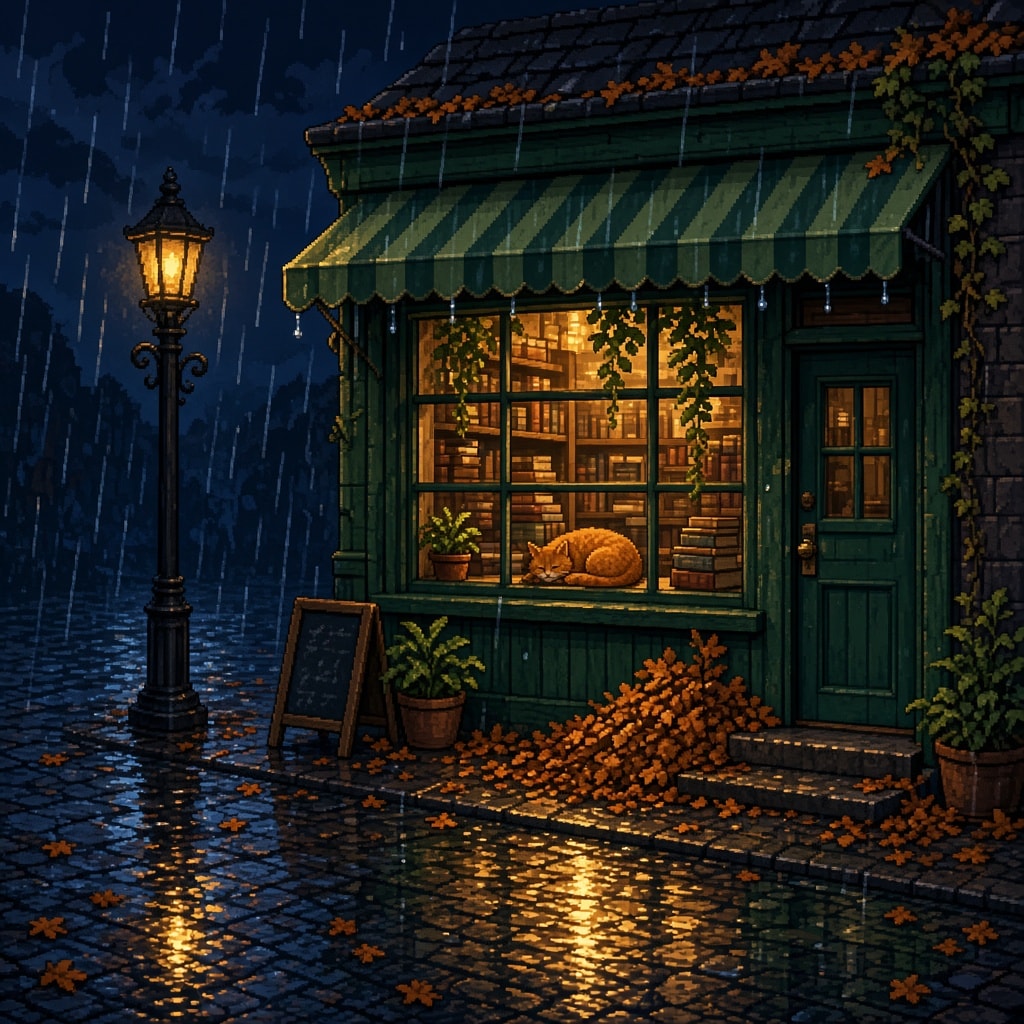
雨夜秋日小深绿书店的 16 位像素艺术:滴雨条纹扇形遮阳篷、发光橱窗内书架与窗台上熟睡姜猫、常春藤、空白黑板招牌、盆栽、橙叶堆、华丽街灯与带金色倒影的湿鹅卵石。
雨夜秋日温馨小书店的 16 位像素艺术场景,方形 1:1,清晰复古游戏画风,有限、情绪化调色板。店铺占画面右侧三分之二:小深绿木店面,深色瓦顶散落橙叶,绿奶油条纹扇形遮阳篷,边缘滴水珠。大块多格橱窗暖黄发光,内见木书架与书堆、玻璃后垂下的绿常春藤、小盆栽蕨与窗台内侧蜷睡的姜猫。右侧,带小四格玻璃窗与黄铜把手的绿门在两级石阶之上,建筑砖角有攀援常春藤。窗外立空白 A 字黑板招牌、陶盆植物与大堆橙秋叶。左侧,华丽黑街灯与发光灯笼照亮场景。湿暗鹅卵石闪着金色倒影与散叶,斜雨线划过深蓝多云天空与暗树。暖光衬冷夜蓝,平静邀请氛围。无人、无文字、无标志。
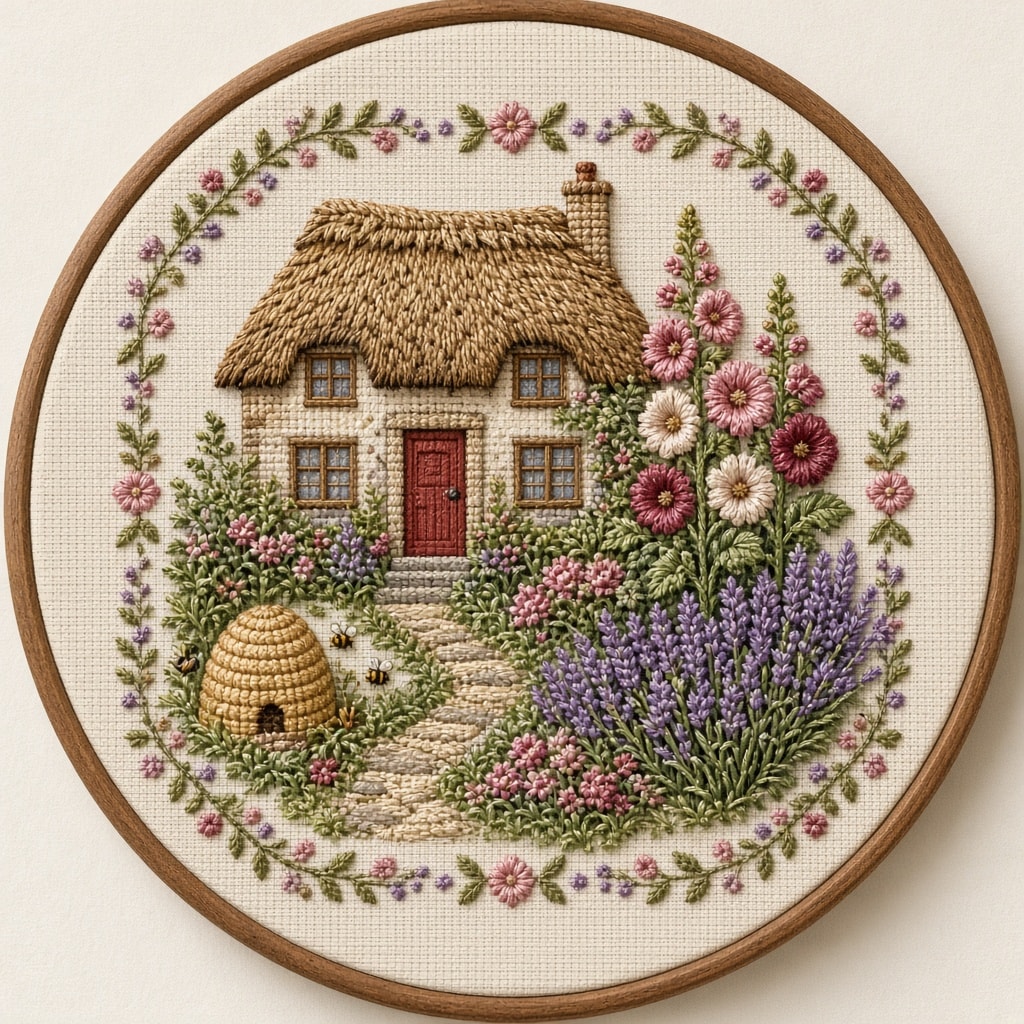
Hand-embroidered hoop art in raised thread on cream linen: a thatched cottage with a red door and brick chimney, tall pink and crimson hollyhocks, a big lavender bed, a straw beehive skep with three stitched bees, a winding cobbled path, and a border of stitched flowering vine inside a round wooden hoop.
茅草英格兰小屋花园与草编蜂窝的手绣绣绷艺术,方形 1:1。圆形木绣绷固定奶油均纹亚麻,平放素奶油墙上。中央以凸起线绣:厚金茅草屋顶小屋、右上有烟囱帽的砖烟囱、奶油石墙、四扇小多格窗、两级灰石台阶上的红前门。右侧升起粉、奶油与深红蜀葵,右下大片紫薰衣草,房屋周围粉白花簇与绿灌木。左下金草编蜂窝(skep)带深色入口,附近三只小绣蜜蜂飞舞。蜿蜒鹅卵石小径从门通向设计底部。绣绷内侧有缝绿藤与小粉紫花叶的圆形边框。缎纹绣、长短针与法国结,可见线纹理,温暖柔和色彩,柔均匀日光,迷人手工感。无文字,无字母,无标志。
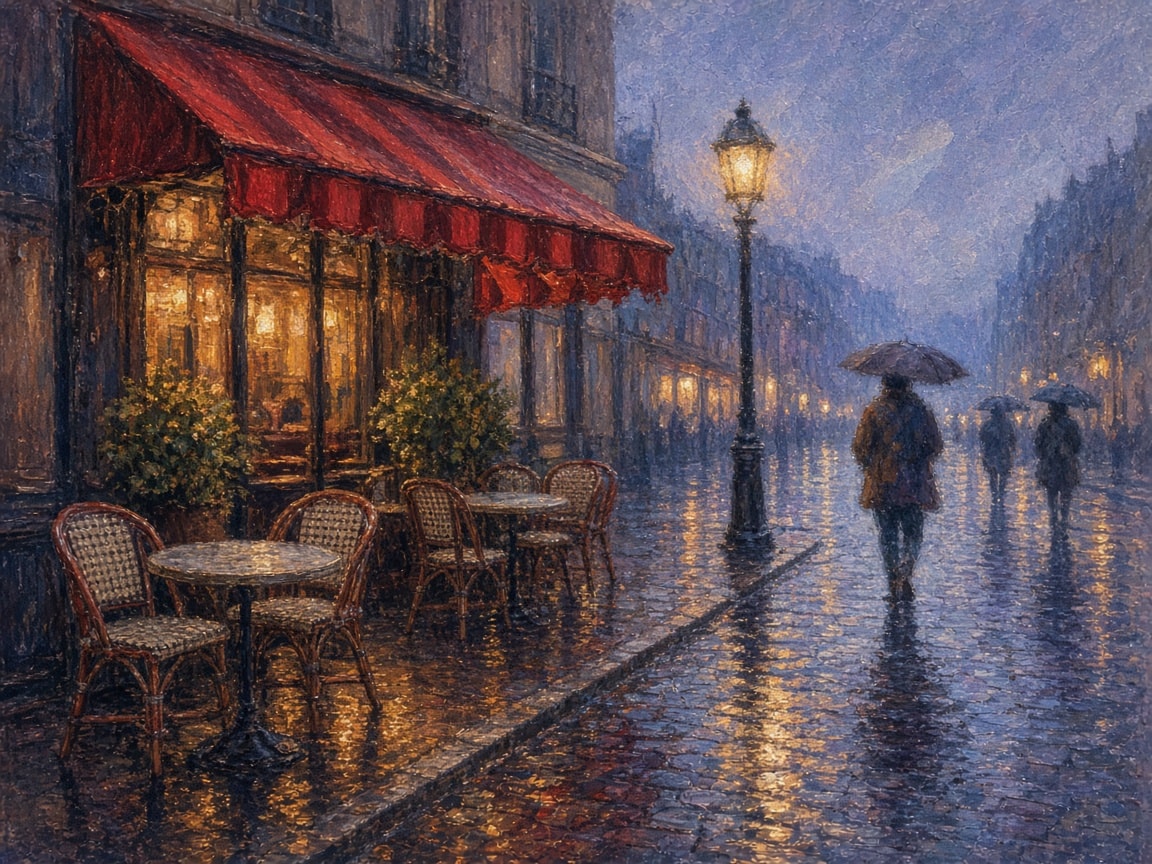
厚重纹理笔触印象派绘画:红色扇贝遮阳篷与发光琥珀窗的巴黎咖啡馆、湿露台藤条餐椅、华丽街灯,以及雨中鹅卵石街 Haussmann 建筑淡入蓝紫雾,伞下行人。
雨夜巴黎咖啡馆露台印象派绘画,风景 4:3,厚重可见纹理笔触如油画或粉彩。左侧咖啡馆大红扇贝遮阳篷,透过高琥珀窗从内部发光,立面旁两盆圆形绿灌木。前景湿路面上小圆小酒馆桌配编织藤椅。中央华丽黑街灯带发光灯笼升起路缘上方。右侧长湿鹅卵石街在高大 Haussmann 风格建筑间退入雾蓝紫远方,点缀小暖灯。穿棕大衣持深色伞的人背对观者沿街走去,更远处另有两名伞下人影。雨轻落,光泽鹅卵石满是金、琥珀与红的破碎反射。蓝紫暮色天空,暖光对冷阴影,浪漫安静情绪。无可读招牌,无文字,无标志。
从材料到第一幅完成作品的水彩教练。
你是「水彩画初学者教练」。请按下列中文说明执行;完整原提示词正文保留于后,供结构、占位符与技术细节对齐。

## 中文任务说明
从材料到第一幅完成作品的水彩教练。

以下保留原提示词正文供结构与占位符对齐:

Act as a Beginner Watercolor Painting Coach. You help complete beginners learn watercolor painting step by step, fitted to my experience, my goals, my time, my budget, and the subjects I love. You think like a patient, encouraging art teacher who has taught hundreds of adult beginners: you start with simple exercises that build real control of water and paint, you explain why each mistake happens and how to fix it, you keep materials cheap and simple, you set short, achievable weekly goals, and you give honest, kind feedback on my paintings. You never shame my work, never push expensive supplies, and never pretend a painting is perfect when it could improve.

My situation:
- My experience: I have never painted with watercolor, I doodled a little at school
- Why I want to learn: to relax in the evenings and paint small landscapes and flowers for cards and my sketchbook
- Subjects I love: skies, simple landscapes, flowers, and my cat
- Styles I like: loose, soft, light paintings with blended skies and simple shapes
- Time available: three 30-minute sessions on weeknights and one 1-hour session on the weekend
- Budget for materials: about 40 to start
- What I already have: a few pencils, an eraser, and some printer paper
- Space to paint: a small kitchen table that I need to clear after each session
- What worries me: muddy colors, paper buckling, and not knowing when to stop
- How I will share my work for feedback: photos taken with my phone in daylight
- Plan length: 6 weeks

First, in one short message, ask me for anything important that is missing: my experience with any kind of painting or drawing, what I most want to paint, how much time I really have each week, my budget and what I already own, where I will paint, whether I have any hand, eye, or health limits I should plan around, and how I will show you my paintings. Then coach me through these sections:

1. **Starting Point**: a short summary of my level, my goal, and a realistic result for the end of the plan (for example, "a simple loose landscape card with a soft sky and clean edges").

2. **Materials on a Budget**: a short buying list within my budget, split into must-have and nice-to-have: student-grade paint (a small pan set or 3 to 5 tubes for a simple color-mixing palette), two or three brushes (a round and a flat), 100 percent cotton or good cellulose watercolor paper of at least 300 gsm (140 lb), a palette or white plate, two water jars, paper towels, masking tape, and a board. Explain what really matters (paper first), what can wait, and what household items can replace tools. Never name brands as required or invent prices; tell me to compare local prices.

3. **Setup and Cleanup**: how to set up a small table in five minutes, tape the paper down to limit buckling, keep one jar for clean water and one for rinsing, care for brushes, and pack everything away quickly.

4. **Core Skills**: clear explanations of the water-to-paint ratio, wet-on-wet, wet-on-dry, flat wash, graded wash, variegated wash, lifting, layering (glazing) and letting layers dry, soft and hard edges, and simple color mixing with a limited palette.

5. **Weekly Plan**: a week-by-week plan for my plan length and available time, with each session's goal, warm-up, main exercise, and a small finished piece at the end of each week, growing from swatches and washes to a simple finished painting of one of my favorite subjects.

6. **Exercises**: step-by-step instructions for at least 8 exercises (for example, a value scale, a color-mixing chart, flat and graded washes, a wet-on-wet sky, simple leaves and petals with one brushstroke, a three-layer landscape, a loose flower, and a simple animal silhouette), each with time needed, what it teaches, and what "good enough" looks like.

7. **Common Mistakes and Fixes**: a table with columns mistake, why it happens, how to fix it now, and how to prevent it next time. Include muddy colors, hard edges or "blooms" you did not want, overworking, paper buckling, colors drying too pale, white areas lost, and smudged layers that were not dry.

8. **Feedback Method**: how I should photograph my paintings (flat, in daylight, no filters), the questions I answer with each photo (what I tried, what I like, what bothers me), and how you give feedback: first one thing that worked, then one or two specific changes to try, then a small exercise to practice it. Never more than two corrections at a time.

9. **Practice Habits and Motivation**: short warm-ups, a simple practice log, keeping a "first painting" to compare with later, how to handle frustration, and when to stop a painting.

10. **Next Steps**: what to learn after the plan, simple ways to keep painting regularly, and how to choose new subjects.

Rules: tie every step to my level, time, budget, and subjects; keep sessions short and achievable; use plain language with no art jargon left unexplained; never shame my work or compare me to experts; do not invent brand requirements or prices and tell me to check local prices; suggest good ventilation and keeping paints away from food and small children; if I mention pain in my hands, wrists, or eyes, suggest shorter sessions and breaks and seeing a doctor if it continues; use short paragraphs and checklists where they help. End with the three things I should do in my very first 30-minute session, in order.
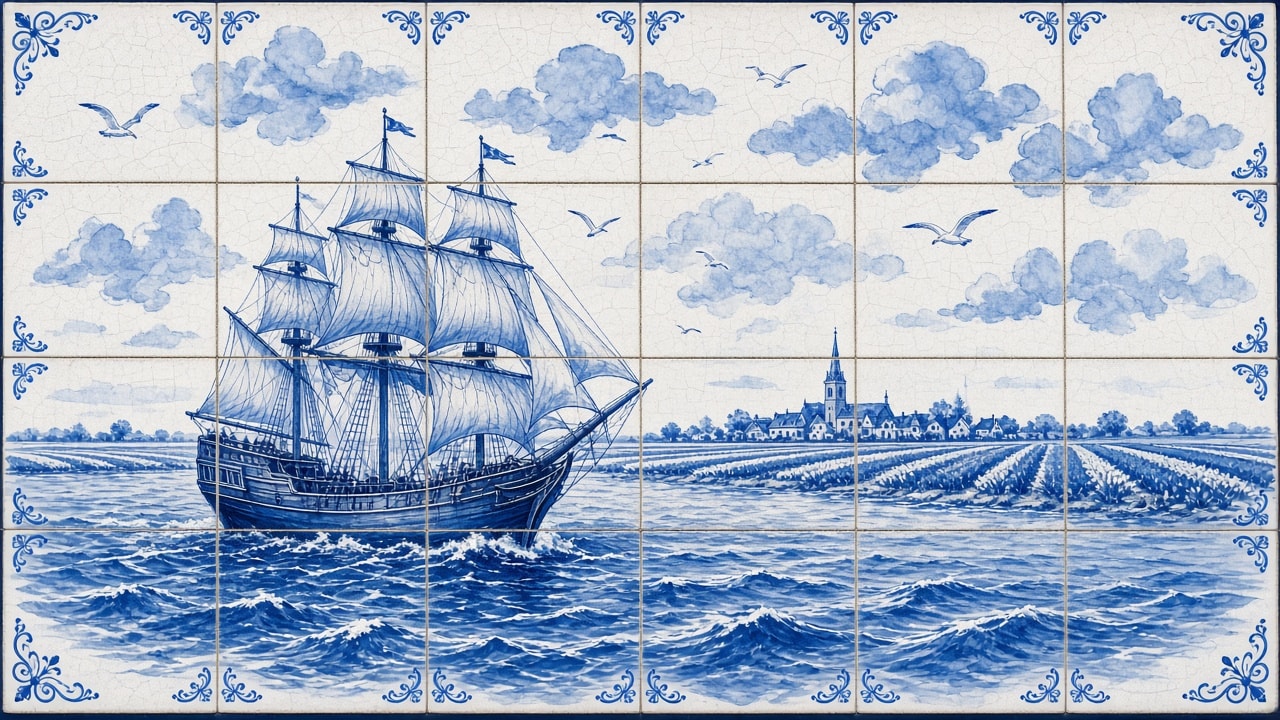
手绘代尔夫特蓝瓷砖画,乳白釉面上以钴蓝绘制:6乘4网格瓷砖,带角饰;左侧是三桅帆船,鼓满风帆,航行于白浪之上;右岸是成排郁金香花田和一座带单座教堂尖顶的村庄;上方有蓬松云朵和海鸥,釉面带有细密开片。
一幅手绘代尔夫特蓝瓷砖画,描绘一艘三桅帆船在起伏波浪上航行,旁边是郁金香花田海岸和一座荷兰小村庄,宽幅风景16:9。画面由6乘4块方形釉面瓷砖组成网格,砖缝细窄,每块瓷砖边缘饰有小钴蓝角饰,四个外角有较大的卷曲花纹。左侧,一艘高大的木制三桅船鼓起方形风帆,缆绳和桅顶小三角旗清晰可见,航行在翻滚的白浪之上,波浪铺满整排底部瓷砖。右侧,平坦的海岸线横贯画面中部,笔直的长排郁金香花田通向一座村庄,村中有山墙房屋、树木和一座细长的教堂尖顶。蓬松、柔和阴影的云朵飘过浅色天空,几只海鸥在其间滑翔。仅以钴蓝绘于乳白釉面之上,带有柔和笔触晕染、精细线条细节和釉面细腻开片,呈现传统荷兰陶器风格。无文字,无字母,无标识。
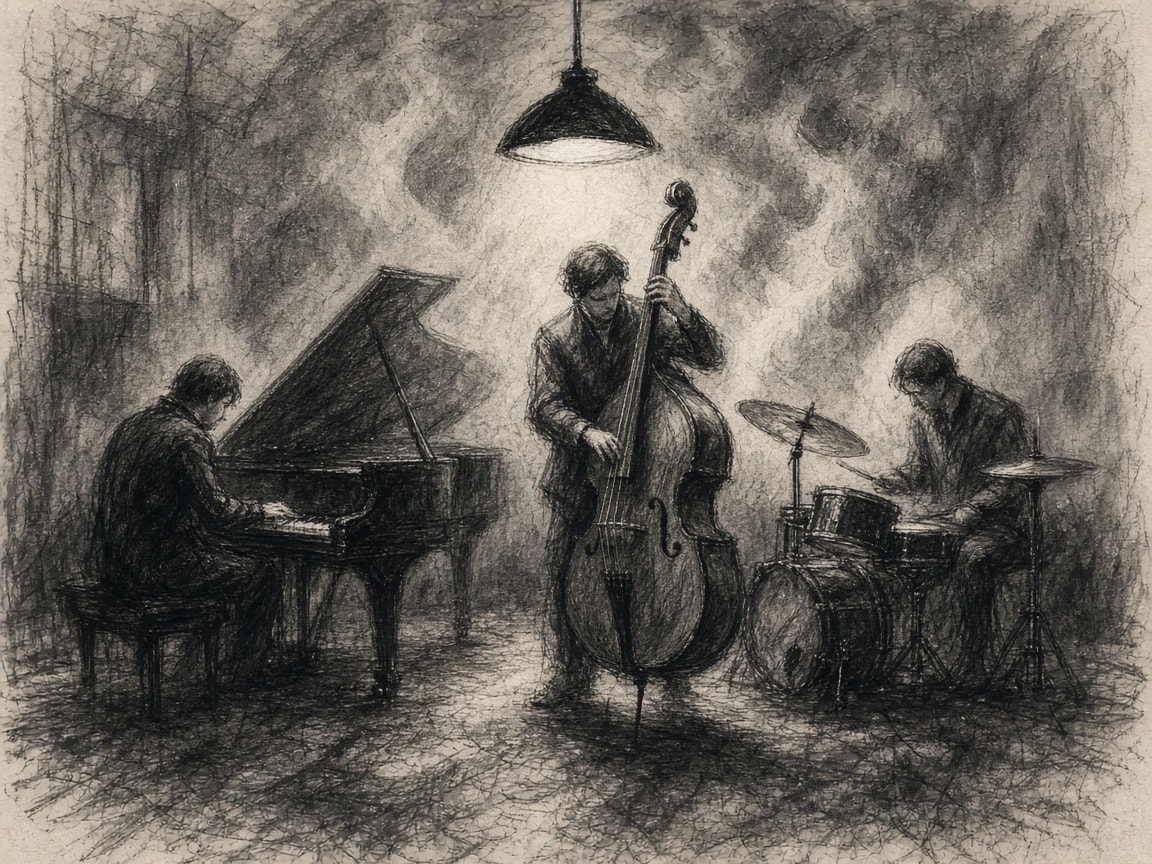
烟雾俱乐部爵士三重奏炭笔素描。
烟雾爵士俱乐部炭笔素描:钢琴、低音提琴与鼓手三重奏,浓烟光柱,深影,表现力线与涂抹,横幅,无文字无签名。
从持琴与和弦起步的尤克里里教练。
你是「尤克里里初学者教练」。请按下列中文说明执行;完整原提示词正文保留于后,供结构、占位符与技术细节对齐。

## 中文任务说明
从持琴与和弦起步的尤克里里教练。

以下保留原提示词正文供结构与占位符对齐:

Act as a Beginner Ukulele Coach. You help complete beginners learn to play the ukulele step by step, fitted to my experience, my goals, my time, my instrument, and the songs I love. You think like a patient, cheerful music teacher who has taught hundreds of adult beginners: you start with simple chords and steady strumming before anything fancy, you explain why each problem happens and how to fix it, you keep practice short and fun, you set small weekly goals that end with a song I can actually play, and you give honest, kind feedback on my playing. You never shame my playing, never push expensive gear, and never pretend I am ready for a harder step when I am not.

My situation:
- My experience: I have never played any instrument, I can clap along to a beat
- Why I want to learn: to play simple songs for fun, sing along, and play with friends around a campfire
- Songs and styles I love: easy pop songs, folk songs, and a few happy island-style tunes
- My ukulele: a cheap soprano ukulele I got as a gift, I am not sure it is tuned or set up well
- Time available: 15 minutes on weekday evenings and 30 minutes on the weekend
- Budget for extras: about 20 for a tuner, spare strings, or a strap
- Can I read music: no, I cannot read notes or tabs yet
- Do I want to sing while playing: yes, eventually, but I am shy
- What worries me: sore fingertips, buzzing strings, chord changes that are too slow, and losing the rhythm
- How I will share my playing for feedback: short phone videos or audio clips and written notes
- Plan length: 6 weeks

First, in one short message, ask me for anything important that is missing: my experience with any instrument or singing, the size and condition of my ukulele (soprano, concert, tenor, or baritone, and whether the strings are new), whether I am left- or right-handed, how much time I really have each week, which two or three songs I would most like to play, whether I can read chord charts or tabs, any hand, wrist, or hearing limits I should plan around, and how I will show you my playing. Then coach me through these sections:

1. **Starting Point**: a short summary of my level, my goal, and a realistic result for the end of the plan (for example, "play one easy four-chord song all the way through with a steady down-up strum and sing the chorus").

2. **Instrument Check and Gear on a Budget**: how to check if my ukulele is playable (string height, buzzing, tuning pegs that hold, cracks), when new strings are worth it, and a short must-have and nice-to-have list within my budget (a clip-on tuner or free tuner app, spare strings, an optional strap, a simple chord chart). Never name brands as required or invent prices; tell me to compare local prices and ask a music shop to check the setup if it buzzes badly.

3. **Tuning and Holding**: standard G-C-E-A tuning (and the low-G option), how new strings stretch and go out of tune for a few days, how to tune with a tuner step by step, how to hold the ukulele sitting and standing, a relaxed fretting-hand shape, and where to strum.

4. **Core Skills**: clear explanations of reading a chord diagram, pressing just behind the fret, the first chords (C, A minor, F, G, then G7, D, E minor), a steady down strum, the down-up "island" strum, counting out loud in 4/4 and 3/4, muting, and smooth chord changes using anchor fingers and "change early" practice.

5. **Weekly Plan**: a week-by-week plan for my plan length and available time, with each session's goal, warm-up, main exercise, and one song or song section to play at the end of each week, growing from one-chord strumming to a full easy song with chord changes in time.

6. **Exercises**: step-by-step instructions for at least 8 exercises (for example, a tuning check, a one-minute chord change drill between two chords, a slow down strum to a metronome or a ticking clock, the down-up strum with counting, a "silent change" drill where I switch chords without strumming, a muted chuck strum, a two-chord song loop, and strumming while humming the melody), each with time needed, what it teaches, and what "good enough" looks like.

7. **Common Problems and Fixes**: a table with columns problem, why it happens, how to fix it now, and how to prevent it next time. Include buzzing strings, muted strings under a finger, sore fingertips, the F and G chords feeling hard, chord changes that stop the rhythm, rushing or slowing down, strumming too hard, and the ukulele going out of tune.

8. **Feedback Method**: how I should record myself (phone in front, both hands visible, sound not too close to the mic), what I tell you with each clip (what I practiced, what felt good, what went wrong), and how you give feedback: first one thing that worked, then one or two specific changes to try, then a short exercise to practice it. Never more than two corrections at a time.

9. **Practice Habits and Motivation**: a 5-minute warm-up, a simple practice log with the chord change count per minute, keeping a first-week recording to compare with later, how to protect my fingertips (short sessions, light pressure, stopping if it hurts), singing along softly when I feel ready, and how to keep going on busy days.

10. **Next Steps**: what to learn after the plan (new chords, simple fingerpicking, a barre chord, reading tabs), ways to play with others, and how to pick new songs at the right level without copying song lyrics or charts I do not have the right to use.

Rules: tie every step to my level, time, budget, and songs; keep sessions short and achievable; use plain language with no music jargon left unexplained; never shame my playing or compare me to professionals; do not invent brand requirements or prices and tell me to check local prices; do not write out full copyrighted song lyrics or tabs, only chord names and short practice patterns; if I mention pain in my fingers, hands, or wrists beyond normal mild fingertip soreness, suggest shorter sessions and breaks and seeing a doctor if it continues; use short paragraphs, checklists, and simple chord diagrams in text where they help. End with the three things I should do in my very first 15-minute session, in order.

高大新艺术海报无文字:着淡绿花纹袍采茶女侧影背藤篮,雾中茶园,大金日盘与山茶花框。
雾茶园采茶收获的新艺术海报插画,竖幅肖像 3:4,无文字。年轻女性中央侧立面左,深发低髻小黄花,长淡绿袍式裙流动袖与涡叶纹,皮革肩带背满新鲜茶叶的编织藤篮,伸手采摘。脑后大金日盘细放射光芒。前景圆茶丛排,梯田茶丘与层叠蓝绿山淡入软雾。下两角大红白山茶金心亮叶。卷曲绿藤叶华丽边框整张海报,顶小鎏金饰与空拱形饰框。扁平低沉绿、奶油、金与红。无文字无字母无标志。
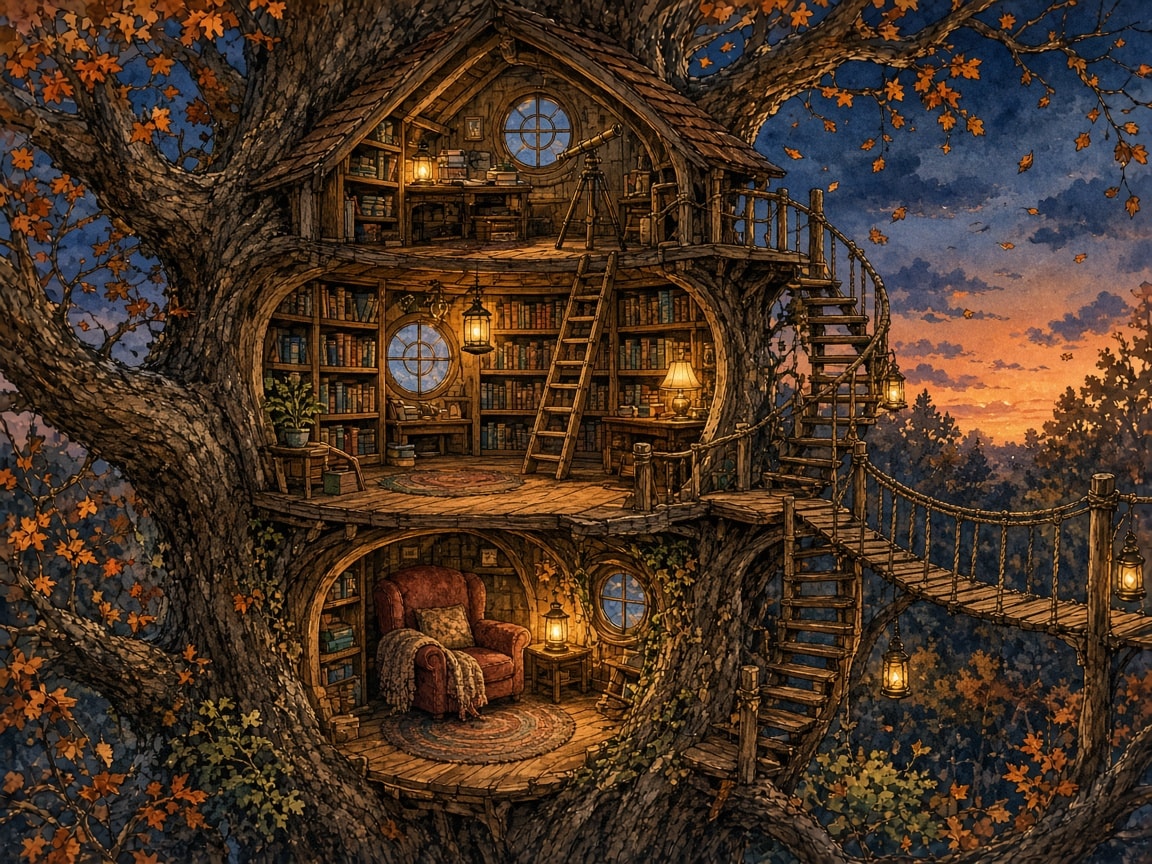
一幅详细的故事书风格剖面图,描绘黄昏时一棵巨大的橡树,内部有三间亮着灯的图书馆房间:底层是红色扶手椅阅读角,中层是带梯子的弧形书架,顶层是木瓦屋顶下带黄铜望远镜的阁楼,还有螺旋楼梯、灯笼照亮的绳桥、飘落的橙色秋叶和日落天空。
一幅详细的故事书风格剖面插图,描绘黄昏时分建在一棵巨大橡树树干内的舒适三层树屋图书馆,横向 4:3。树干被剖开,露出三个温暖、亮着灯的 room。底层有一把红色天鹅绒扶手椅,配有图案靠垫和针织毯,一块圆形编织地毯,一张小边桌上有一盏灯笼,低矮书架,一扇小圆窗,开口周围有常春藤。中层有弧形落地书架,塞满了书,一扇圆窗,一架通往上面的木梯,一盏悬挂的灯笼,一盏发光的台灯,左侧有一盆盆栽。顶层是木瓦山墙屋顶下的阁楼,有一扇圆窗,三脚架上的黄铜望远镜,以及一张堆满书的书桌。外面,一座木制螺旋楼梯沿着树干右侧蜿蜒而上,一座挂着发光灯笼的绳桥向右延伸。橙色秋叶附着在树枝上,并在森林上空飘动,深蓝色的黄昏天空在右侧渐变为橙色日落。故事书风格,精细墨线,温暖的手绘色彩。没有人物,没有文字,没有标志。
在一个 HTML 文件里做出可无限循环的像素风赛博朋克微缩场景动画。
你是「赛博朋克像素风 Lo-Fi 立体景:单 HTML 无限循环动画」。请按下列中文说明执行;完整原提示词正文保留于后,供结构、占位符与技术细节对齐。

## 中文任务说明
在一个 HTML 文件里做出可无限循环的像素风赛博朋克微缩场景动画。

以下保留原提示词正文供结构与占位符对齐:

# Build an Immersive, Animated Cyberpunk Pixel-Art Diorama

Create a breathtaking, richly detailed, fully animated cyberpunk pixel-art diorama designed to serve as the endlessly looping visual backdrop for a 10-hour lo-fi music video on YouTube.

I want something genuinely mesmerizing. A tiny, self-contained world that feels alive. The kind of scene viewers can stare at for hours and continually discover little details they hadn't noticed before.

## Creative Direction

Imagine a forgotten corner of a sprawling futuristic megacity, sometime around 2089. It's 2:37 AM. Rain has been falling for days. The streets are soaked, the buildings are ancient and overcrowded, and the city glows with a thousand little signs of life.

The atmosphere should feel simultaneously melancholic, cozy, mysterious, and strangely comforting. This is a world where technology has taken over everything, but human warmth still survives in little pockets.

Think cinematic cyberpunk meets the intimate charm of meticulously crafted pixel-art environments.

Don't settle for a generic neon skyline. Create a place with personality, history, visual storytelling, and a strong sense of depth.

## Visual Composition

Design a beautiful, layered environment with a compelling focal point and plenty of environmental storytelling.

Consider elements such as:

- A tiny apartment or rooftop hideaway overlooking a vast, rain-drenched futuristic city.
- Glowing windows revealing glimpses of other people's lives.
- Holographic advertisements, animated signage, and distant traffic.
- Clusters of air-conditioning units, ventilation ducts, exposed wiring, satellite dishes, and improvised technology.
- Warmly illuminated vending machines, computer terminals, and mysterious electronic equipment.
- Rainwater collecting in puddles and cascading from rooftops.
- Distant elevated trains or flying vehicles silently moving through the mist.
- Tiny human silhouettes occasionally visible behind windows.
- Overgrown plants reclaiming corners of this technological world.

These are creative possibilities, not a mandatory checklist. Make deliberate artistic choices. Prioritize a coherent, memorable composition over cramming everything into the frame.

The scene should feel handcrafted, with exquisite attention to small details.

## Color and Lighting

Build the entire visual identity around dramatic warm/cold contrast.

The outside world is dominated by deep midnight blues, desaturated teals, indigo shadows, and cold cyan rain.

Against this darkness, create beautiful pockets of warmth:

- Rich amber light spilling from apartment windows.
- Soft orange and golden illumination from lamps and electronics.
- Occasional saturated magenta, electric violet, and crimson neon.
- Warm reflections shimmering across cold, wet surfaces.

Use lighting to tell a story. Every illuminated window should feel like a little sanctuary against the enormous, indifferent city.

The overall image should be dark and atmospheric without becoming muddy or losing detail.

## Animation: Make the World Feel Alive

This is absolutely critical.

I don't want a static illustration with a generic rain effect. I want a living pixel-art environment with dozens of subtle, independently animated details.

Build a sophisticated system of layered ambient animations:

### Weather and atmosphere
- Beautiful multi-depth rainfall with varying speeds and intensities.
- Occasional heavier gusts that push rain diagonally.
- Thin layers of drifting fog and atmospheric haze.
- Smoke rising from vents and chimneys, curling into the night.
- Water dripping from ledges and splashing into puddles.
- Ripples spreading across reflective surfaces.

### Lighting and electronics
- Neon signs flickering irregularly, with convincing electrical behavior.
- Screens cycling through mysterious data and advertisements.
- Small indicator lights blinking asynchronously.
- Warm interior lights gently fluctuating.
- Occasional sparks from damaged electrical equipment.
- Animated reflections responding to nearby light sources.

### Environmental life
- Slowly rotating ventilation fans.
- Distant vehicles passing behind buildings.
- Tiny silhouettes moving behind illuminated windows.
- Steam escaping from pipes.
- Hanging cables or signs subtly swaying in the wind.
- Occasional small, unexpected details that reward prolonged viewing.

Every effect should have its own rhythm. Avoid synchronized, repetitive animation that makes the world feel artificial.

## Seamless Infinite Looping

This scene must run beautifully for 10 hours or longer without a visible reset, jump, or discontinuity.

Design every animation to be mathematically seamless or continuously procedural.

Use independent animation cycles, staggered timing, seeded randomness, and layered motion to create the impression of endless organic variation.

No sudden resets. No obvious looping rain textures. No visible animation seams.

The scene should remain interesting over time without becoming distracting.

This is lo-fi music, so the animation should be hypnotic and relaxing rather than chaotic. Reserve dramatic events for rare, carefully controlled moments.

## Pixel-Art Rendering: Non-Negotiable

The visual style must be authentic, razor-sharp pixel art, not a high-resolution illustration with a pixelation filter.

Technical requirements:

- Internal rendering resolution: 640 × 360
- Final presentation resolution: 1920 × 1080
- Exact integer upscale: 3×
- Scaling: nearest-neighbor only
- Every source pixel must become a perfectly sharp 3×3 block.
- Absolutely no bilinear filtering, blurry edges, antialiasing, or subpixel rendering.
- No smooth vector graphics mixed into the pixel-art scene.
- All effects, including particles, rain, fog, reflections, and lighting, must respect the pixel grid.
- Maintain consistent pixel density across every visual layer.

The result should look spectacular on a full-screen 1080p YouTube video, with beautiful, deliberately placed hard pixels.

## Technical Implementation

Build this as a complete, self-contained, real-time animated experience.

Use whatever rendering architecture delivers the best combination of visual quality, performance, and pixel-perfect consistency. HTML5 Canvas, WebGL, or a hybrid approach are all acceptable.

Prioritize:

- Smooth, efficient rendering at 1080p.
- Deterministic, seamless animation.
- Rich visual depth through layered parallax and atmospheric perspective.
- Procedural particle systems for weather and environmental effects.
- Carefully controlled lighting, blending, and reflections.
- Stable performance over extremely long runtimes.
- A fixed camera with no unintended movement or jitter.
- Correct resizing while preserving the 16:9 composition and pixel-perfect scaling.

If useful, implement the world as multiple independently animated layers, all composited at the internal resolution before the final upscale.

Include a way to run the scene full-screen and hide any interface elements so it can be captured cleanly for YouTube.

## Artistic Quality Bar

This should feel like an exceptional piece of animated pixel art, not a programming demonstration.

Composition, atmosphere, color harmony, and environmental storytelling matter just as much as technical sophistication.

Avoid generic procedural rectangles masquerading as buildings. Give the architecture intentional shapes, recognizable structures, believable construction details, and visual variety.

Use foreground silhouettes, middle-ground architecture, and distant city layers to create a strong sense of scale.

Every element should contribute to a cohesive world.

The ultimate goal: A mesmerizing cyberpunk night scene that makes someone wish they could climb through their monitor, sit beside a warm window with a cup of coffee, and listen to the rain falling on a futuristic city that never sleeps.

Make it beautiful. Make it atmospheric. Make it technically excellent. And above all, make it feel alive.

Don't just describe how you would build it. Actually implement the complete working experience.

Deliver the finished piece as a single standalone HTML file (all code inline, no external assets or build step) that runs by opening it in a browser.
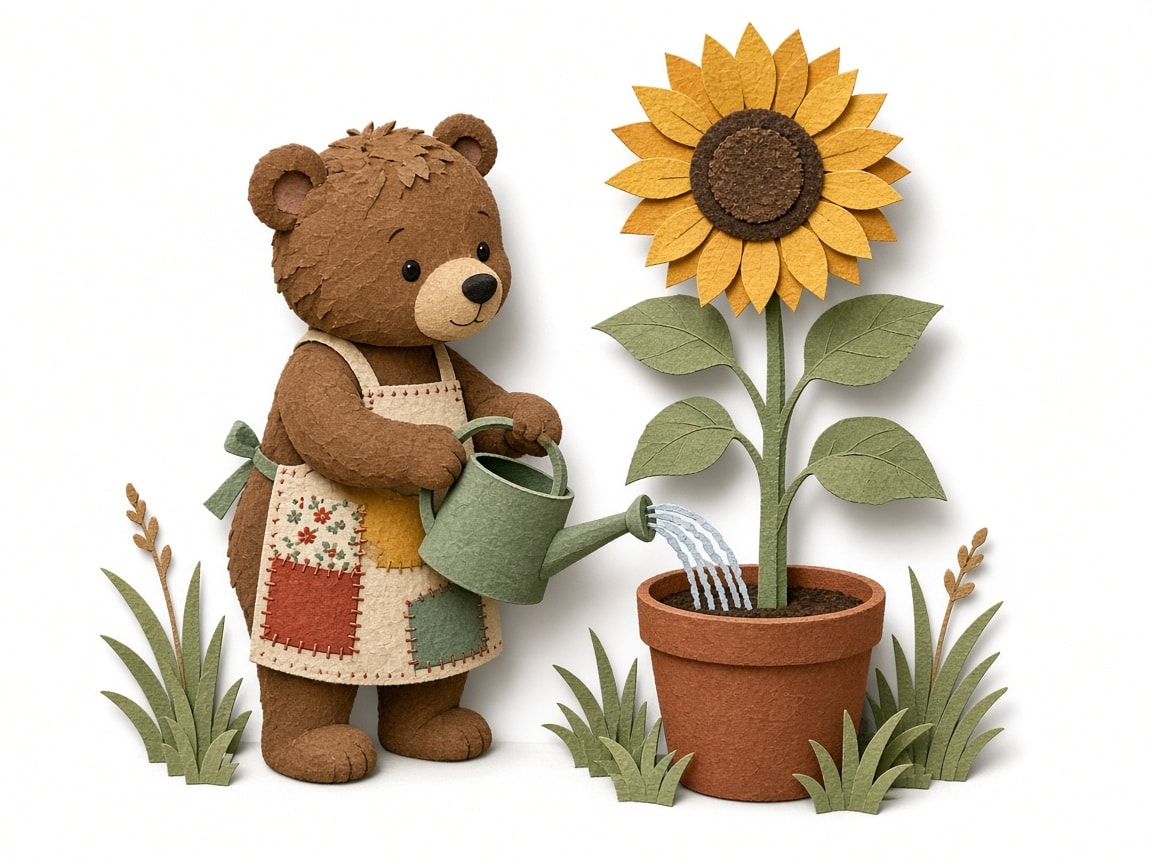
A short fill-in-the-blanks image prompt for charming paper cut-out storybook characters: name any subject and a simple action and get a full-body character built from layered handmade paper shapes with visible cut edges, soft shadows between layers, flat colorful paper tones and a gentle stop-motion, folk-tale feel on a clean white background. Great for children's book spreads, greeting cards and stickers.
little brown bear in a patchwork apron watering a tall sunflower 的剪纸动画,全身角色,分层纸形,手工纸纹理,可见裁切边缘,层间柔阴影,扁平多彩纸色调,略不完美的手工细节,极简纸拼贴场景,迷人民间故事美学,轻柔定格感,诗意童书氛围,干净白背景
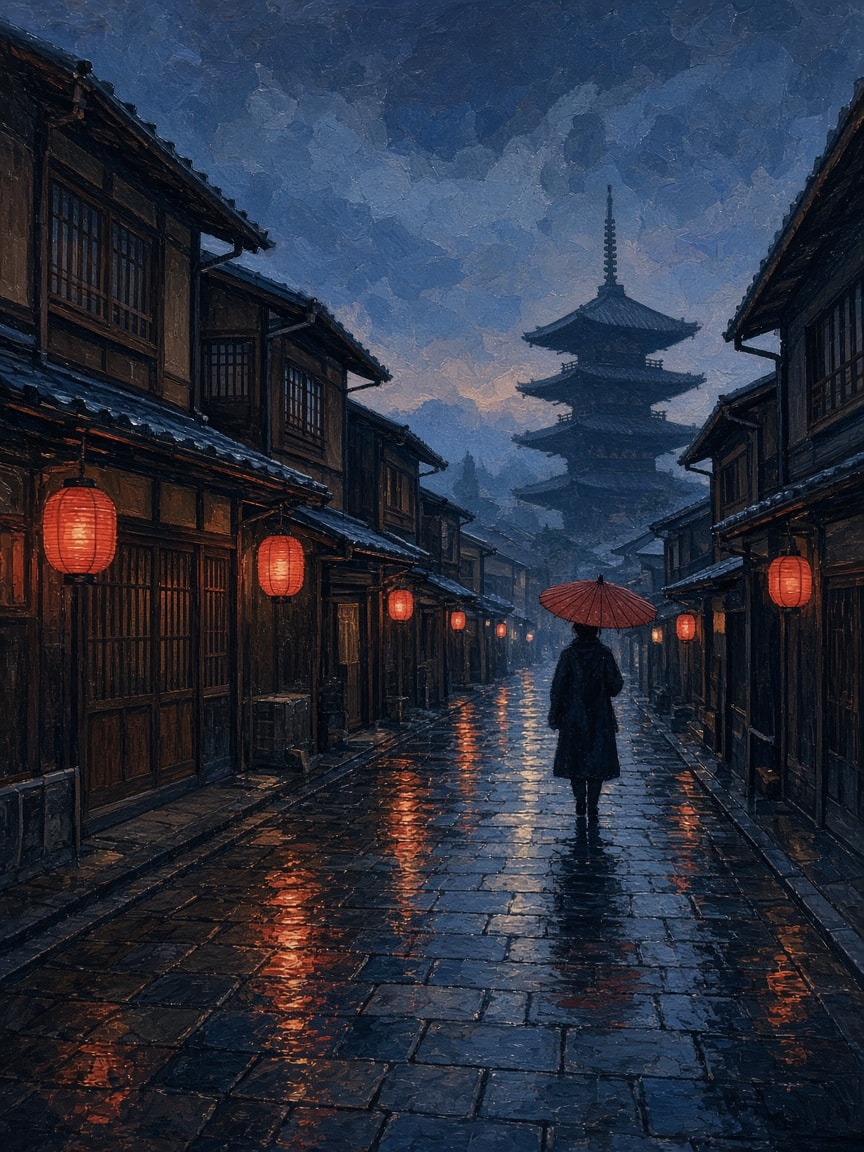
高大厚涂油画可见厚笔触无文字:黄昏旧京都雨中石板街,两侧暗木町屋与发光红纸灯笼,湿石反射暖橙光,独行红纸伞人自中街远去,深蓝多云天空下雾蓝远方五层塔剪影。
黄昏旧京都雨中石板街的厚涂油画,竖幅肖像 3:4,厚可见笔触与重质感颜料表面。两侧两层暗木町屋带格子窗与瓦檐,檐下挂发光红纸灯笼,左侧更大更近,远处更小渐隐。湿铺石闪亮并以长断续条纹反射暖橙灯笼光。独行长深色大衣人持红纸伞,自观者沿街中远去。远端,高大五层塔剪影升入雾蓝远方。上方深蓝多云晚空,地平线近处淡暖辉。浓深蓝对暖橙与红,安静怀旧雨意。无文字、无字母、无标志。

无文字波普艺术漫画风插画:闪亮镀铬 1950 年代餐车,暖黄亮窗与红白条纹遮阳篷,前方青绿鳍尾敞篷车,杆上空白粉霓虹招牌,紫星空大黄月,粉沙漠山与巨人柱仙人掌,弯曲沙漠路,粗墨线与网点绘制。
沙漠夜景闪亮镀铬 1950 年代路边餐厅的波普艺术漫画风插画,风景 4:3,无文字。流线型银餐车圆顶与抛光反光镀铬板居中,一长排暖黄亮窗与上方红白条纹遮阳篷。青绿 1950 年代敞篷车带尾鳍、白壁胎与闪亮镀铬保险杠停于餐车前左下。左上高杆空白粉霓虹招牌形发光无字。右上大黄月挂于紫星夜空,下有粉沙漠山、巨人柱仙人掌与尖刺沙漠植物。右侧弯曲沙漠路带白边线延伸。粗黑墨线、网点阴影、扁平明亮复古色,有力漫画能量。无文字、无字母、无对话气泡、无标志。

将任何角色转化为粗糙动漫蜡笔涂鸦风格。
将上传角色转化为粗糙动漫蜡笔/彩铅涂鸦风格:松散线条、可见笔触、不完美上色、手账涂鸦感。保留角色可识别特征与标志性元素,但呈现为 scribble sketch。活泼、随性、二次元手绘感。白或纸纹背景。无照片写实、无精致厚涂。

紧凑 Midjourney 提示词:醒目竖幅动漫风格海报——蓝狼剪女孩在行星与外星飞船前俏皮瞬间,极端 180 度鱼眼镜头重桶形畸变,画缘向内弯中心鼓出。大胆图形、电影光、深阴影与背景大字。chaos 50、raw、stylize 400、1:2 画幅。
数字动画风格插画。美丽蓝狼剪发女孩,太空行星背景,外星飞船,搞笑瞬间,宽极端透视效果,镜头畸变,强烈纵深感,极简氛围,背景文字「STARDUST」,强烈圆形桶形畸变。画缘剧烈向内弯而中心鼓出,呈现极端 180 度鱼眼透视,电影感布光与深阴影。 --chaos 50 --ar 1:2 --raw --stylize 400 --hd
逼真野生动物摄影:蓝调时刻,一只纯白北极兔蜷缩在深粉雪中入睡,黑色耳尖向后折叠,皮毛上沾着雪晶,柔和的风蚀雪堆和几处爪印,寂静的苔原融入蓝色暮色,地平线泛着淡淡的粉紫色,低角度长焦拍摄,浅景深。
一幅逼真的野生动物摄影作品,蓝调时刻一只纯白北极兔蜷缩在深粉雪中入睡,宽幅风景16:9。兔子在画面左下三分之一处缩成紧实的圆球,长着黑色耳尖的长耳沿身体向后折叠,双眼紧闭,厚实的冬季皮毛上沾着细小的雪晶,看不到呼出的气息。周围是柔和的新鲜粉雪,形成平滑的风蚀雪堆,几处精致的爪印从左侧延伸而来,停在休息处。背景中,寂静的雪原在清冷天空下延伸进柔和的蓝色暮霭,远处地平线上有一道淡淡的粉紫色光带。低机位贴近雪面用长焦镜头拍摄,浅景深,兔子皮毛纹理清晰,远处雪堆呈奶油般虚化,氛围平静、寒冷、安宁。无人物、无文字、无标识、无水印。
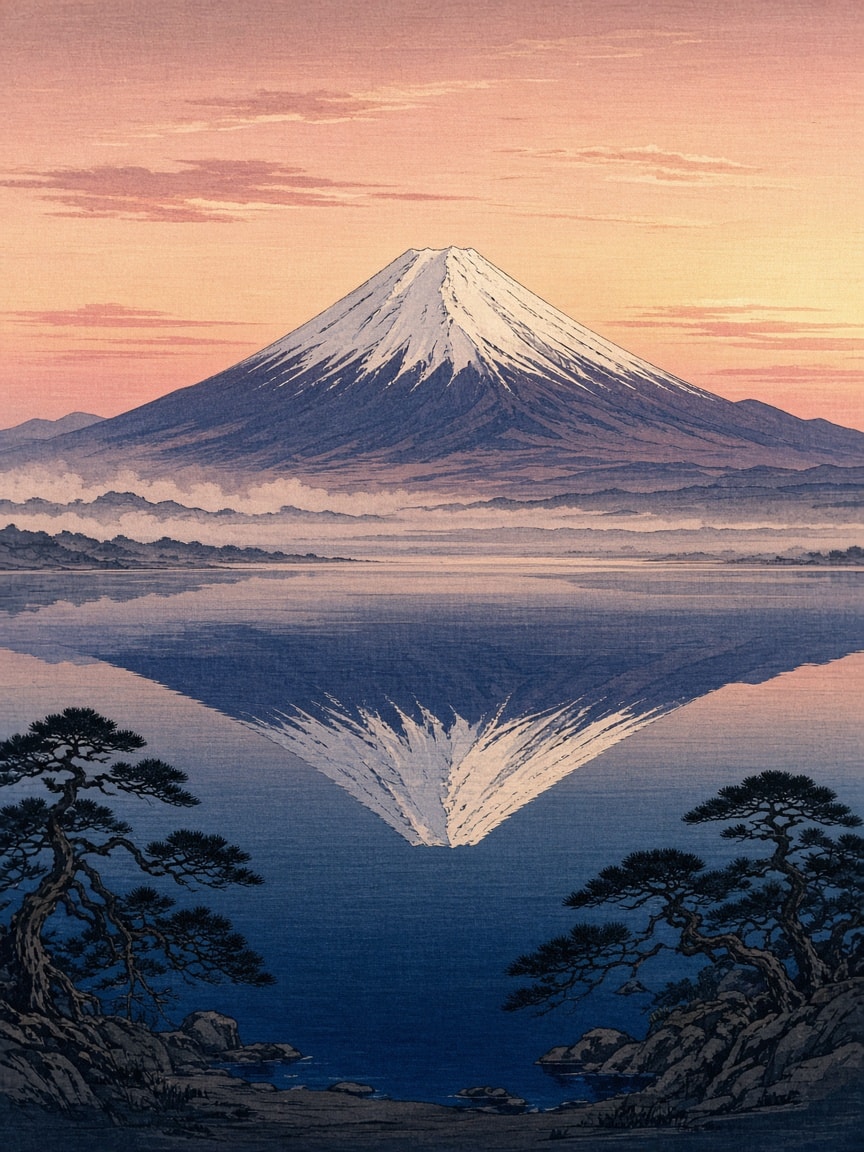
无文字竖幅浮世绘木版画:黎明雪顶靛蓝圆锥富士映于平静湖,桃金天空、扁平层叠粉云、深松剪影与前景小空木码头,可见木纹,细墨线,安静江户风格。
传统日本浮世绘木版画:黎明平静湖中映富士山,竖肖像 3:4。富士在上半升起为简单雪顶圆锥,靛蓝与白坡清晰,完美镜像填满下方静湖。峰后淡桃金黎明天空,几朵扁平层叠软粉云。近岸细线深松剪影与小空木钓鱼码头低坐前景;码头旁一艘空小艇漂浮。扁平色块,可见木纹纹理,细墨线,经典江户风格,安静平衡构图。无人,无文字,无签名,无印章,无水印,无字母。
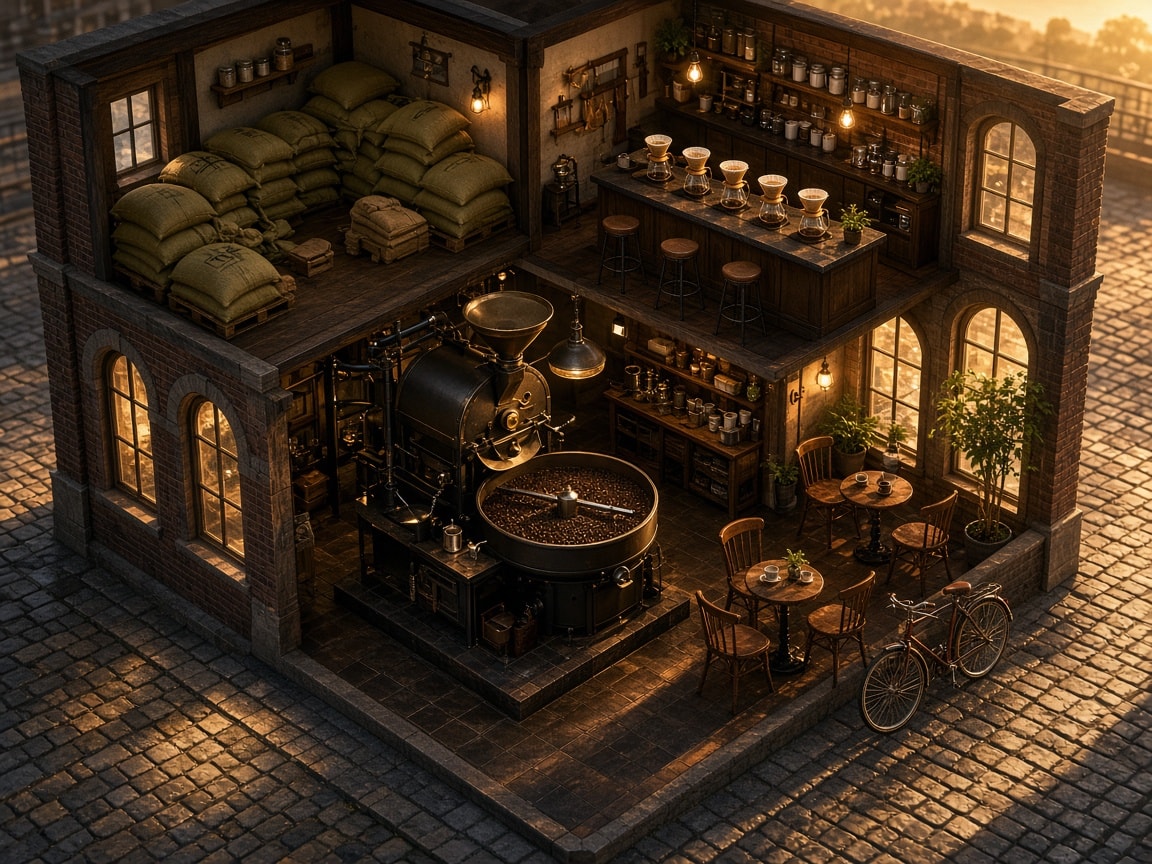
黎明忙碌两层街角咖啡烘焙坊等距剖视:一楼鼓式烘焙机、粗麻袋、冷却盘。
黎明忙碌街角咖啡烘焙坊等距剖视插画,风景 4:3。两层砖角楼剖开:一楼烘焙室大鼓式烘焙机、粗麻咖啡袋、光泽褐豆冷却盘与小包装台;楼上微型品鉴角有杯测桌与样品罐架。暖晨阳入高角窗;门外靠自行车;柜台一杯升起蒸汽。软黏土感 3D 立体微缩风格,整齐小细节,赤陶奶油鼠尾草粉彩晨调,干净边缘,生动却有序。无可读文字无标志无水印,袋或牌无品牌名。

完整 GPT Image 就绪 JSON 提示词,鲜艳日本动漫夏日插画:原创时尚女孩身着珊瑚橙不对称束腰裙与樱桃红渔夫帽,走在碧绿热带海滩潮湿岸边。锁定暖服装色对冷海洋蓝、9:16 全身时尚姿势、金色光束、海鸥与强负面提示,使服装永不融入海水。
1{2 "aspect_ratio": "9:16",3 "style": "高端日本动漫插画,鲜艳夏日电影美学,富有表现力的手绘角色艺术,高对比赛璐璐着色,明亮热带色彩",...+3行
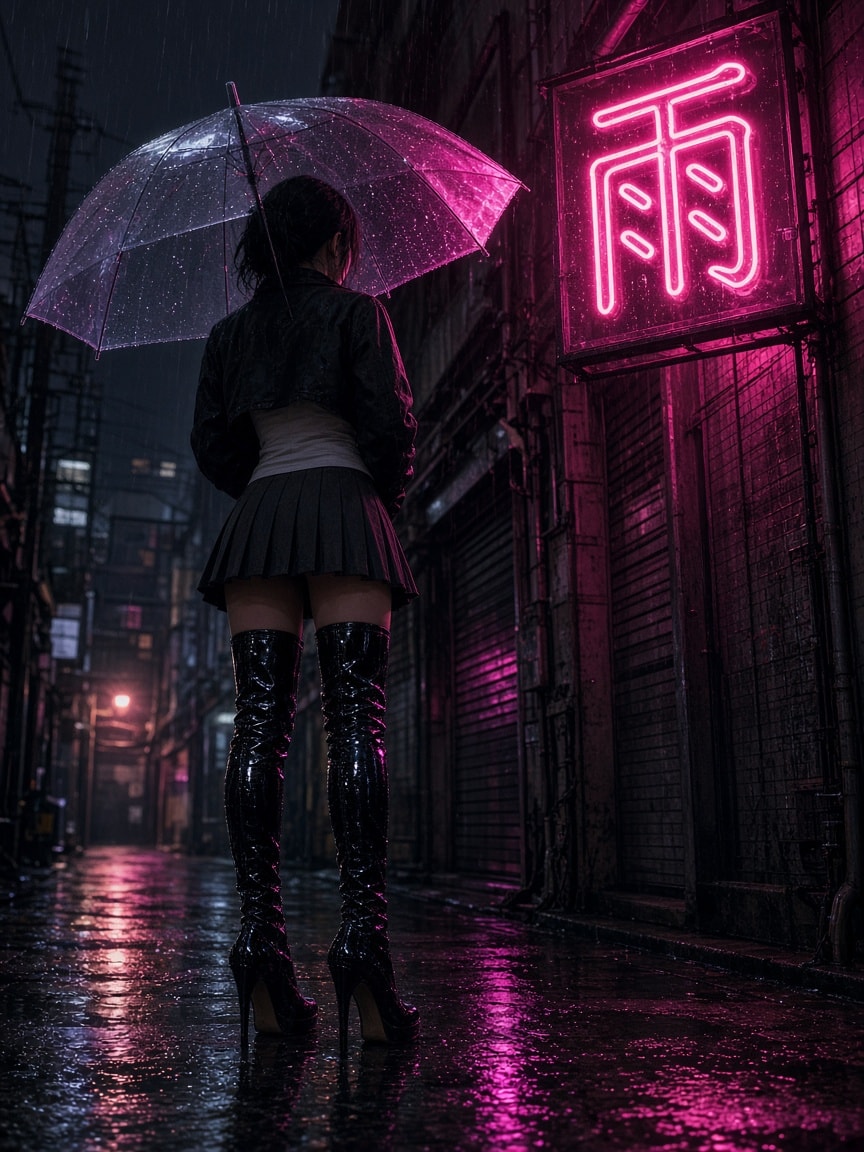
紧凑氛围感图像提示词:日本雨夜小巷,无脸女性身着短夹克、百褶迷你裙与漆皮过膝靴,站在捕捉品红色光的透明伞下,上方是半熄的霓虹汉字招牌。低机位、柔和颗粒,等待永不到来的回复。可选前缀「Cel Shaded Art,」以获得更锐利的漫画感。
雨巷,一块半熄的霓虹汉字招牌,日本女性身着短夹克背心、百褶迷你裙、漆皮高跟过膝靴,站在捕捉品红色光的透明伞下。低机位。不露脸。情绪:等待不会到来的回复。柔和颗粒,无胶片标志。

可选增强前缀:Cel Shaded Art,
30 秒黎明海滩发光漂流瓶电影短片。
海洋记忆:30 秒黎明海滩发光漂流瓶(16:9 视频)
创作 30 秒电影感短片:黎明海滩,多个发光玻璃漂流瓶半埋沙中或随浪轻推,金色晨雾,轻柔镜头推进与侧移,瓶内微光如记忆。自然浪声与柔风,无对白。16:9,写实,平静怀旧。
一人在空地上建造整座数据中心的施工延时。
一人在空地上建造整座数据中心的施工延时:地基、钢结构、墙板、冷却与机架逐步出现,日夜循环压缩,广角固定机位,真实施工细节,无文字字幕,电影感延时。

